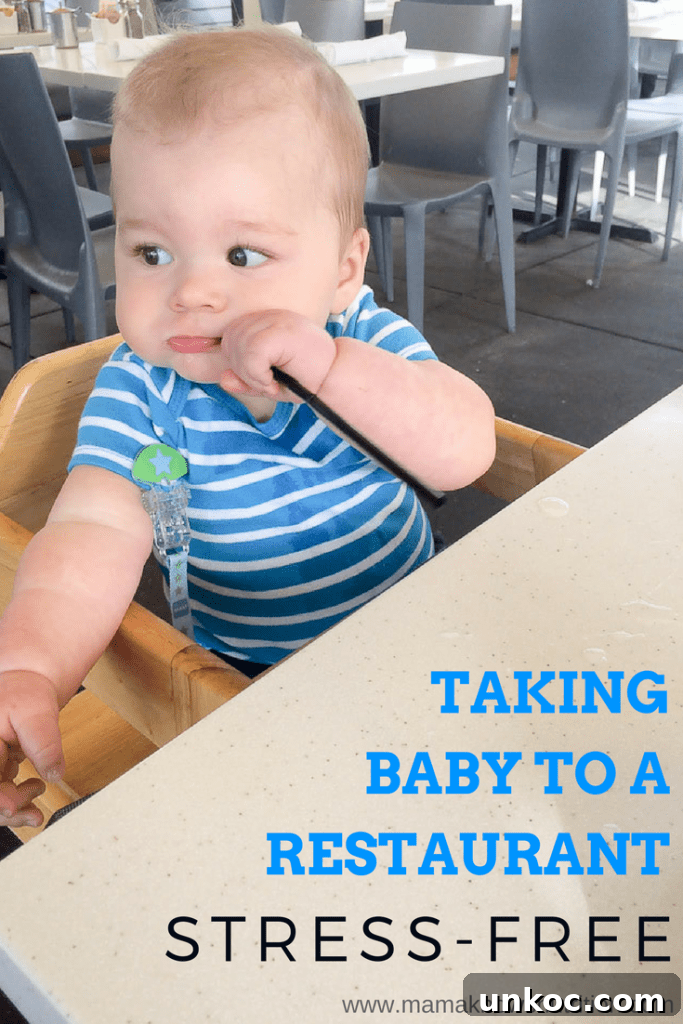
Taking your baby to a restaurant can feel stressful, but it does not have to ruin your meal or keep you from going out. With a little planning, the right supplies, and realistic expectations, dining out with a baby can actually be enjoyable.
Babies who are old enough to eat solid foods but are not yet running around can be surprisingly fun restaurant companions. The main thing is timing. Try to avoid making reservations too close to nap time or bedtime, when even the happiest baby is more likely to become tired, restless, or overwhelmed. Like many parents, I have had a few challenging meals out with a baby, but those experiences taught me what makes restaurant trips easier, calmer, and more successful.
Top Tips for Taking Your Baby to a Restaurant
Pack your own utensils
Restaurant utensils are not made for babies. A large spoon can be awkward, and a fork can easily poke your little one if they move suddenly. Bringing your own baby spoons makes feeding much easier and safer. It is also smart to pack two spoons, because one will almost certainly end up on the floor at some point.
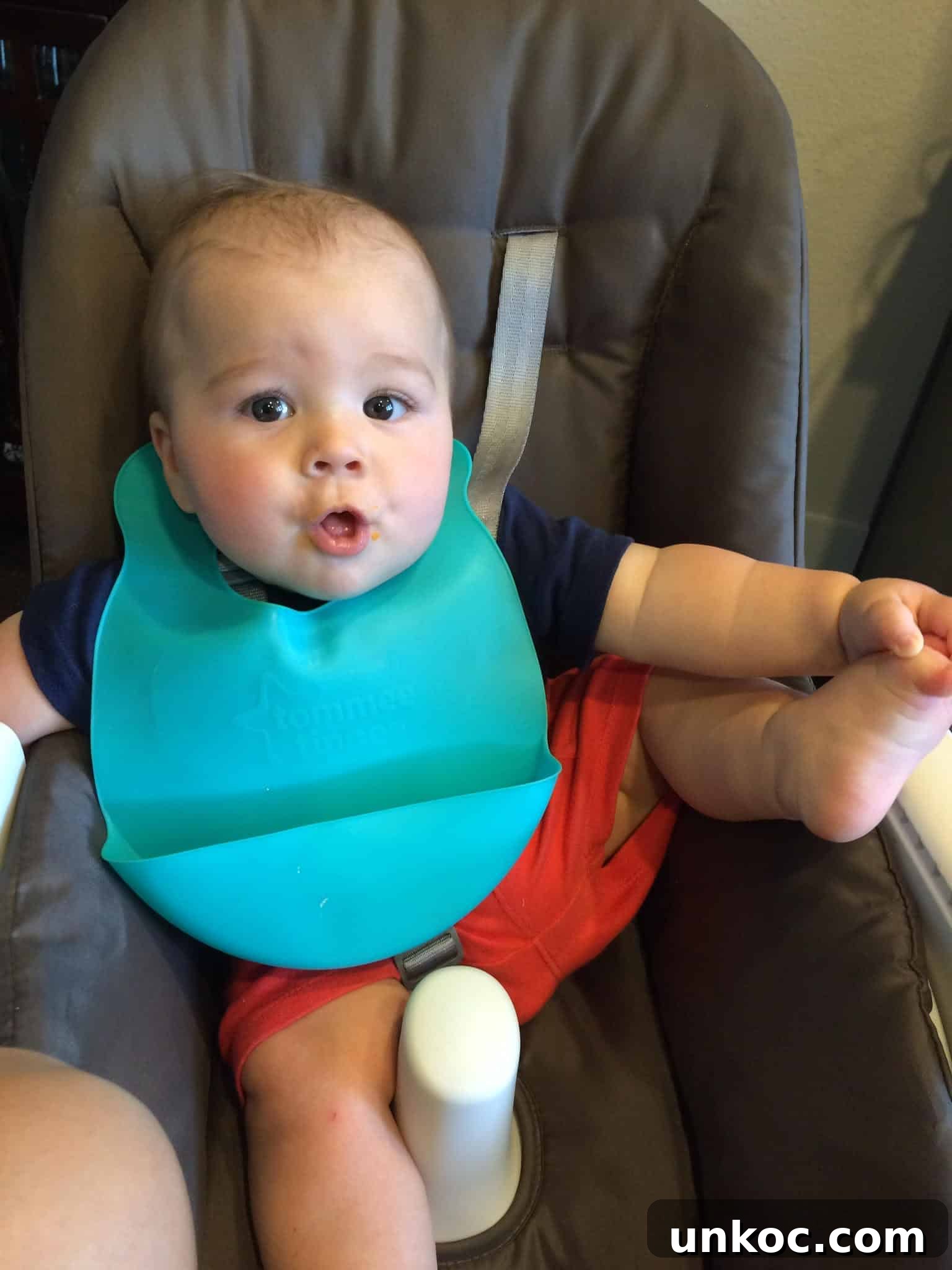
A bib is another must-have item, especially if your baby is eating soft foods, fruit, rice, pasta, or anything with sauce. A sippy cup or straw cup from home is also helpful. Some restaurants may offer cups with lids, but they are not always leak-proof, and a spilled drink can quickly make the meal more stressful. If you want to be extra prepared, bring a disposable or reusable placemat so your baby has a cleaner surface for finger foods.
Pack some baby appetizers
Adults like having something to snack on while waiting for food, and babies are the same. Bring a few simple baby-friendly snacks such as puffs, cereal, soft fruit pieces, or other foods your baby already eats safely at home. Small snacks can keep little hands busy and help your baby stay patient while everyone waits for the meal to arrive.
Toys can help too, but choose carefully. Soft toys, teething toys, board books, or a few quiet favorites are better than anything loud, messy, or easy to roll under the table. The goal is not to bring an entire toy box, but to have enough distractions to get through the waiting time.
Order food for the baby as soon as possible
If you know where you are going ahead of time, it can help to glance at the menu before you arrive. You do not need to plan every bite, but having one or two baby-friendly options in mind makes ordering faster. Once you are seated, consider placing your baby’s order right away.
This simple step can prevent a lot of frustration. Babies do not understand why everyone is sitting at a table with food nearby but nothing is being served yet. The sooner their food arrives, the sooner they have something to focus on besides grabbing napkins, reaching for drinks, or tossing utensils. Ordering early can make the whole meal feel smoother for everyone.
Don’t be afraid to ask for something simple
One of the best tips for taking your baby to a restaurant is to ask for simple ingredients, even if they are not listed as a separate menu item. Many restaurants already have basic foods prepared in the kitchen and are happy to serve them as sides.
At a Mexican restaurant, you might ask for sliced avocado, rice, or beans. At a casual American restaurant, you may be able to order mashed potatoes, a baked potato, steamed vegetables, fruit, or scrambled eggs. If you notice ingredients listed in other dishes, you can politely ask whether your baby can have a small portion of those items on their own.
For example, if a salad includes hard-boiled eggs, shredded cheese, black beans, or avocado, you may be able to request a small plate with just those foods. Breakfast is often the easiest meal to manage because restaurants usually offer baby-friendly choices like oatmeal, yogurt, eggs, pancakes, toast, or soft fruit.
Give them bites of what you’re having
If your meal includes foods that are safe for your baby’s age and eating skills, sharing small bites can work well. Many babies are far more interested in food from a parent’s plate than food placed directly in front of them. Sharing your meal can also be a good way to introduce new flavors and textures in a relaxed setting.
Use common sense and avoid foods that are too hard, tough, sharp, spicy, or unsafe for your baby to chew and swallow. Foods like steak, whole nuts, raw crunchy vegetables, and large chunks should be avoided or modified appropriately. If your baby is just starting solids or has a small appetite, sharing from your plate may be enough instead of ordering a separate meal.
Practice with a straw
Restaurants can be a useful place to practice straw drinking if your baby is learning. One simple method is to dip a straw into water, cover the top with your finger to hold a small amount inside, and then gently release a sip into your baby’s mouth. Many babies find this entertaining, and it can help them understand how a straw works.
Keep it playful and low-pressure. If your baby is not interested, move on to something else. The goal is simply to make the restaurant experience more engaging while helping your little one build a new skill.
Be prepared to leave early if needed
Even with perfect planning, some restaurant outings will not go well. Your baby may refuse to eat, drop everything, cry, need a diaper change, or simply decide they do not want to sit still. That does not mean you did anything wrong. Babies are unpredictable, and some days are harder than others.
The best mindset is to go in with flexible expectations. If the meal goes smoothly, enjoy it. If it becomes too stressful, ask for your food to be boxed up and finish it at home. You still got out of the house, avoided cooking, and gave your baby a chance to experience a new environment.
Taking your baby to a restaurant gets easier with practice. Pack the basics, order early, choose simple foods, and be willing to adjust. A calm, prepared approach can make dining out with a baby much more enjoyable for the whole family.
Do you take your baby out to restaurants?
What are your favorite tips and tricks for dining out with a baby?