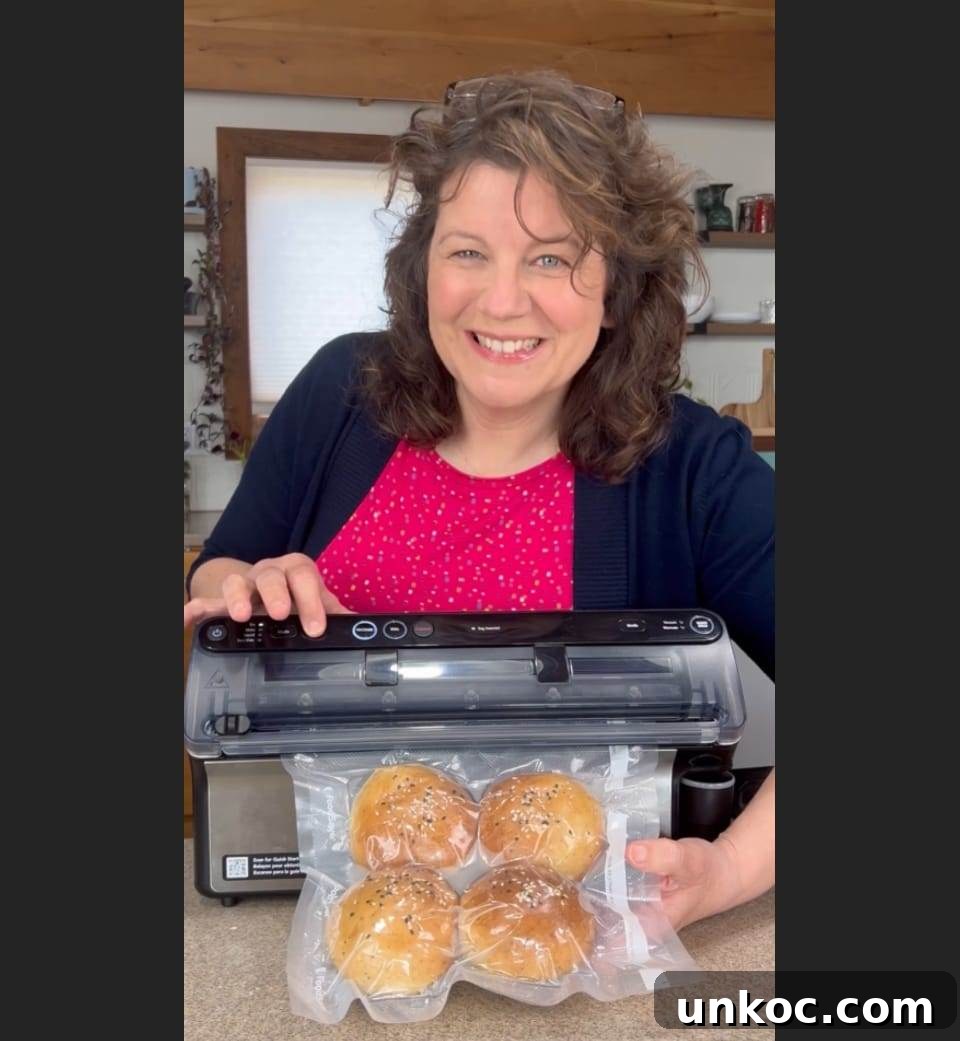
People often ask me which vacuum sealer I like best, which FoodSaver model I recommend, and whether a vacuum sealer is really worth buying. After years of using one at home, for camping, and for food storage, here is my honest answer.
I use my vacuum sealer for many practical kitchen and travel tasks, including:
- resealing commercially packaged foods without vacuuming, such as chips, pretzels, crackers, coffee beans, cereal, and similar pantry items
- packing and freezing garden produce
- preparing food for camping and backcountry adventures
- making small custom pouches for liquids, spices, or other travel items
- vacuum sealing jars of dried foods and dried herbs
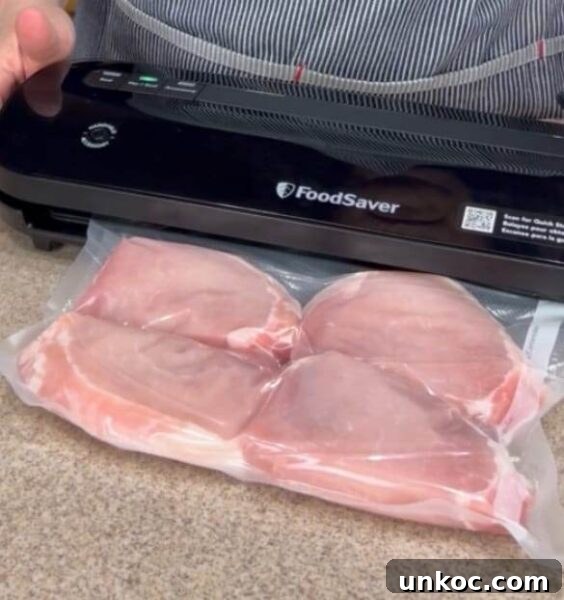
- packing and freezing bulk meat and leftovers
- sealing wine bottles
- helping fresh berries and herbs last longer in the fridge
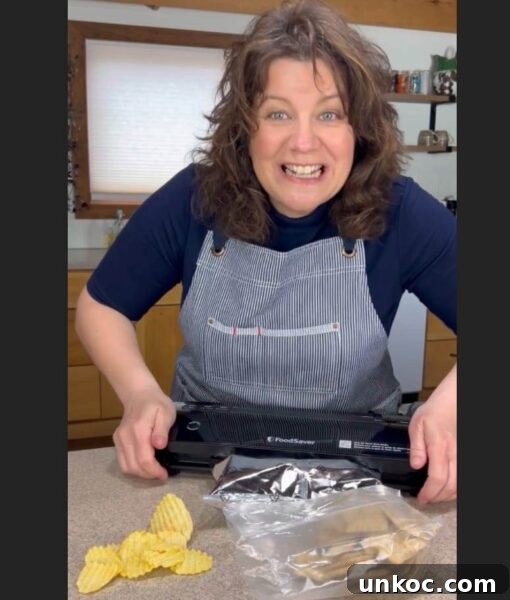
If you can see yourself using a vacuum sealer for several of these jobs on a regular basis, it is worth considering. On the other hand, if you buy food only when you need it and rarely store extra food, a vacuum sealer may not be necessary for your kitchen.
I have not personally used a vacuum sealer for marinating or sous vide cooking, although many models offer those options as well.
Disclosure: I have included Amazon links so you can see the exact models and accessories I mention. As an Amazon affiliate, I earn from qualifying purchases.
Also Read: My Favourite Dehydrator
My Vacuum Sealing Experience
I have been using a vacuum sealer since 2012, when I first bought one for preparing backcountry meals and storing dehydrated fruit. At that time, I also started using it alongside my favourite dehydrator. For years, my vacuum sealer stayed tucked away and came out mainly during harvest season or when I was preparing camping food. These days, I use it far more often and keep my newest model on the counter so it is easy to grab whenever I need it.
Before buying my first vacuum sealer, I asked as many people as possible about their experience. The common advice was clear: you generally get what you pay for, and the cheapest knockoff models may not be the best choice. Some people complained that the heat-sealing bar broke, failed, or heated unevenly. The FoodSaver brand was recommended again and again.
I eventually chose a mid-range FoodSaver model that is no longer available, but it is similar to the current VS2120. That original machine is still working well. I have never had a seal failure, which is especially important when packing food for remote backcountry trips.
FoodSaver® Select Vacuum Sealer Machine Starter Kit with Vacuum Seal Storage Bags and Rolls, Stainless Steel VS2120
- includes a built-in cutter bar, making it easy to cut custom bags to the size I need
- has internal roll storage
- comes with an adapter and hose for accessories such as the bottle stopper, canning jar lid sealer, and FoodSaver zipper bags
Other FoodSaver Vacuum Sealer Models I Have Used
In early 2024, I partnered with FoodSaver to test three different models they sent me. I created three social media posts in return, but this article is not sponsored.
I have been using these models almost daily since April.
My Feedback on the Different FoodSaver Models
All of the machines have worked as expected, and I have not had problems with any of them. Each model has its strengths, but the best vacuum sealer for you depends on how you plan to use it, how much counter or drawer space you have, and whether you want to use accessories.
The Handheld Model
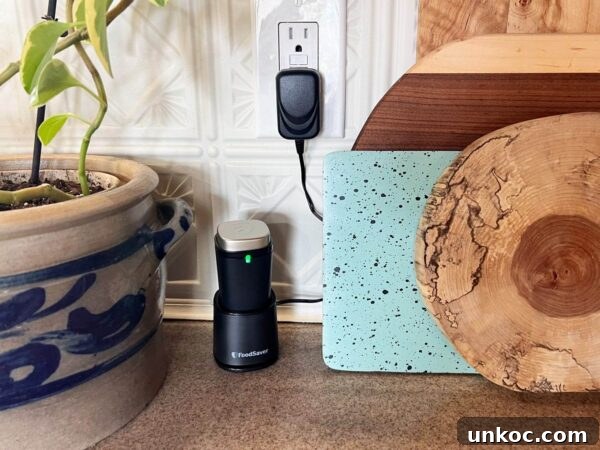
The small handheld model works well with reusable FoodSaver zipper bags, the bottle stopper, jar sealer, and FoodSaver containers. It does not work with regular vacuum sealer bags or rolls.
It is simple, fun to use, and surprisingly powerful. The unit is small and portable, and the charger takes up very little room on the counter. You can also watch my YouTube video on the Handheld model.
If you enjoy small kitchen gadgets and only plan to use zipper bags, jars, containers, or a bottle stopper, this handheld vacuum sealer may be a good fit.
However, note this: many larger FoodSaver models include a handheld attachment that can do the same jobs while also sealing regular bags and rolls. If you want the flexibility to vacuum seal custom bags, choose a model that includes an adapter hose.
The Space Saving Model
This space saving model really does fit into my drawer, which is a major advantage if you do not want another appliance on the counter. It also comes with a handheld attachment, so it can do the same accessory jobs as the handheld model.
The downside is that it does not include a cutting bar. That means you either need to buy pre-cut bags, which can be more expensive, or cut your own custom bags with scissors. That may sound minor, but I find it inconvenient. I also never seem to cut a perfectly straight line. Although this machine works well and stores beautifully, it comes in at the bottom of my personal favourites list.
You can watch my YouTube video on the Space Saving Model.
The Elite All-in-One Liquid Model
The Elite All-in-One Liquid Model is definitely the deluxe option. If you are serious about vacuum sealing, this model is worth considering. It includes a built-in handheld unit, so it works with the various FoodSaver attachments. I have not tried the sous vide feature yet, but I have used the pulse feature and the liquid feature.
It also has a built-in cutter and roll holder, which I find extremely convenient. The cutter works a little differently than the one on the VS2120, but once you get used to it, the design makes sense.
The Pulse feature gives you more control over how much air is removed from the bag. It is more precise than simply pressing the cancel button, which is what I used to do with my original machine. This feature is especially useful for delicate foods such as crackers, bread, berries, or baked goods that could be crushed by a full vacuum. It is also helpful for foods that may poke through the bag when tightly sealed, such as dried spaghetti or rice in a camping meal.
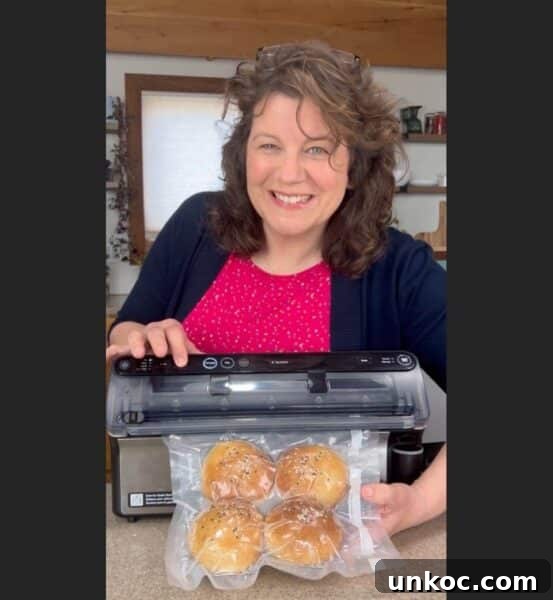
The Liquid feature is another helpful upgrade. This model sits higher off the counter, making it easier to position a bag of saucy or liquid food under the sealing area. The vacuum action also feels gentler, so liquid is less likely to be pulled up and out of the bag. There also appears to be more space between the top of the bag and the sealing bar, which helps keep moisture away from the area where the seal forms.
If you have never used a vacuum sealer, that detail may not sound important, but it can make a real difference. The extra space does mean your bags may need to be slightly larger than with other models, but only those who are very careful about saving every bit of bag material are likely to notice.
FoodSaver Accessories
The accessory I use most often is a roll of customizable vacuum seal bags. I usually wait for them to go on sale, or I buy high-quality off-brand rolls. If you are unsure what to choose, the FoodSaver brand is a reliable place to start.
These bags are strong and durable. They hold up well for our backcountry trips and are excellent for freezer storage. I do wash and reuse them when possible. I have not boiled food in them.
Other Accessories
The jar sealers are fantastic for dehydrated food and dried herbs. I have both the wide-mouth and regular-size versions.
I also like the bottle stopper. These days, we are not as quick to finish a bottle of wine, so it is a handy accessory to have.
I am still deciding how I feel about the reusable zipper bags. They are expensive, but they are stronger and better quality than other zipper bags I have used. However, not all of them seem to hold the vacuum seal as tightly as they did on the first day. I am not yet sure whether I am failing to close the zipper firmly enough or whether there is a slow leak from the valve. I will keep watching and report back when I know more.
The containers are useful too. I have used them for herbs and berries, and both lasted longer than with other storage methods. That is a definite benefit. However, I sometimes get lazy and do not always vacuum seal the containers after using them. If you think you might do the same, remember that these containers are too expensive to use only as regular storage containers.
My Favourite FoodSaver Vacuum Sealer
So, which vacuum sealer is my favourite, and which one would I recommend?
I have not tried brands other than FoodSaver, but I have also never been disappointed by the FoodSaver models I have used. For that reason, I am comfortable recommending the brand. To choose the best FoodSaver vacuum sealer for your kitchen, think carefully about how you will use it and how you naturally work with food storage.
If you are just getting started, I would consider the VS2120. If you are serious about vacuum sealing and can find a good deal, I would consider the Elite All-in-One Liquid Model. Both models work with different attachments, include built-in roll storage, and have a cutting bar. For me, the ability to cut bags to any size is essential. It saves money over time and gives me the flexibility to seal all kinds of foods and household items. I even make tiny bags for first aid supplies and pills for backcountry trips.
If you plan to vacuum seal meat, garden produce, dehydrated food, leftovers, camping meals, pantry staples, or delicate foods, a good vacuum sealer can be a very useful kitchen tool. Choose the model that matches your habits, your space, and how often you expect to use it.
Let me know in the comments if you have questions about FoodSaver vacuum sealers, or if you have a favourite brand or model and want to share why you love it.
Cook with the seasons, effortlessly! I’m Getty, a food educator and Professional Home Economist, helping you select, store, and serve seasonal ingredients in delicious, simple, everyday meals. Sign up for seasonal tips and recipes delivered straight to your inbox, and dive deeper with my books, guides, or YouTube content.