We occasionally mention products that may help readers find useful wine making equipment. Some recommendations may be affiliate based, meaning a small commission may be earned at no additional cost to you if a purchase is made.
Wine making is both a craft and a science. From the first aroma in the glass to the final sip, a good bottle of wine depends on careful choices, clean equipment, patient fermentation, and proper storage. Whether you prefer a deep red, a crisp white, or a sparkling style, every step affects the quality of the finished wine.
The character of wine comes from a complex balance of ingredients, temperature, yeast, sugar, acidity, time, and handling. Even details that may seem small, such as the cork, bottle, and serving glass, can influence how the wine smells and tastes. This is why experienced winemakers pay attention to the entire process, not just the fruit or juice that goes into the fermenter.
That may sound intimidating, but you do not need to own a vineyard or live in a famous wine region to begin making wine at home. With the right wine making kit, a clean workspace, and a willingness to follow instructions, beginners can learn the basics and gradually improve their results.
For many years, the world’s best-known wines were closely associated with traditional regions such as France, Italy, and Spain. Those areas remain important, but home wine making has made the craft more accessible. Today, hobbyists can work with prepared juice, concentrate, fruit, or other ingredients, depending on the style they want to make and the equipment they have available.
Homemade wine is not a new idea, but it has become more popular as people look for hands-on kitchen projects and ways to understand what goes into the beverages they enjoy. A starter wine making kit can make the process easier by providing the basic tools needed for fermentation, siphoning, measuring, and bottling.
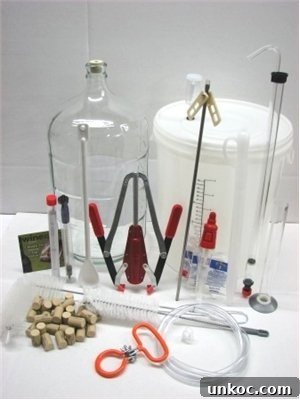
Ultimate Wine Making Equipment Kit – 6 Gallon Glass Carboy
Still, making wine at home is not something to rush into without preparation. Fermentation is a living process, and small mistakes can affect flavor, clarity, and safety. Before you begin, it is worth learning the basic terms, understanding how your equipment works, and reading the instructions that come with your kit or recipe.
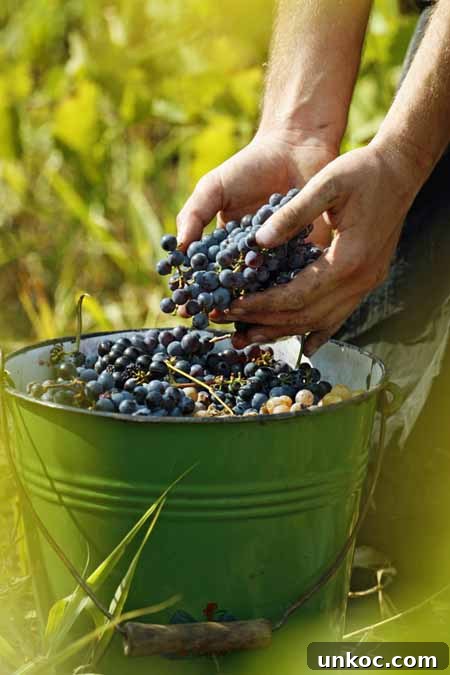
This beginner’s guide covers the essentials of home wine making, including the importance of cleanliness, the tools you will need, why instructions matter, and how to think about choosing between red and white wine.
On Wine Itself
Wine is a varied and highly sensory beverage. Its color, aroma, body, sweetness, acidity, and finish all contribute to the experience. New home winemakers often focus only on the final flavor, but a successful batch usually comes from doing many small things correctly from the beginning.
The ingredients matter, of course, but so do the conditions around them. The space where you ferment, the temperature of the room, the cleanliness of your containers, and the way you store your bottles all play a role. A good wine making setup should be clean, organized, and protected from unnecessary heat and direct sunlight.
Sanitation is one of the most important habits to develop. Any equipment that touches the wine should be properly cleaned and sanitized before use. This includes fermenters, airlocks, hoses, bottles, stoppers, and glassware. After washing, make sure your tools are free of residue and fully ready for the next step. Soap or cleaner left behind can interfere with flavor and fermentation.
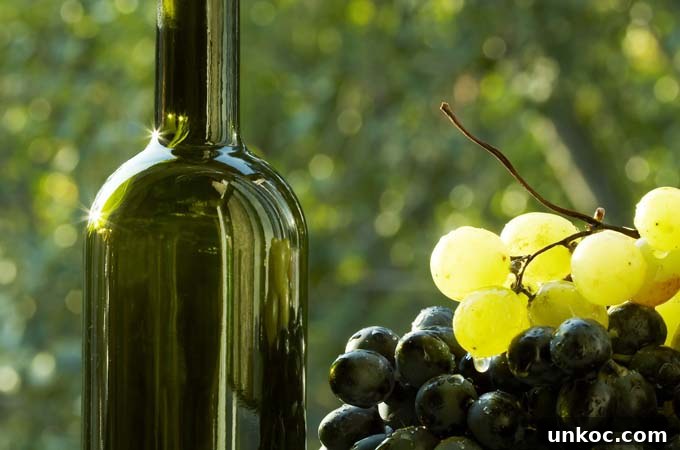
Storage is also important once your wine is finished. A cool, dark place is best for keeping bottles stable. Excess heat can damage delicate flavors, especially in lighter white wines. Even if you do not have a dedicated cellar, choose a location in your home that stays as consistent and cool as possible.
The Tools You’ll Need
Good tools make home wine making more manageable. While creativity is part of any craft, wine requires certain basic equipment to ferment properly, measure progress, transfer liquid, and bottle the finished product. A complete starter kit can be a practical choice for beginners because it gathers many of these items in one place.
A starter winemaking equipment kit with a fermenter, bottle, and corking tools can help new winemakers begin with the essentials.
Common wine making tools include:
- Wine Making Equipment Kit
- Gallon Units and Fermenters
- Lids, often with an Airlock
- Glass Carboy
- Racking Cane
- Siphon Hose
- Bottle Filler
- Rubber Stopper
- Hydrometer
- Fermometer
- Sterilizer
A fermenter holds the wine during the early stages of fermentation. An airlock allows gas to escape while helping protect the wine from outside contamination. A glass carboy is often used for later fermentation or aging. A racking cane and siphon hose help move the wine from one container to another while leaving sediment behind. A hydrometer helps measure sugar levels and track fermentation progress, while a fermometer helps monitor temperature.
Along with equipment, you need a suitable space. Set aside an area that is clean, steady in temperature, and away from bright light. The goal is to give the wine a calm environment while it ferments and matures. A basement, pantry, or quiet storage area may work if it remains cool and stable.
The Importance of Instructions
Instructions are essential, especially for beginners. Home wine making can feel flexible and creative, but fermentation follows real rules. Yeast, sugar, temperature, and time must work together correctly. If you skip steps or guess too often, the wine may not ferment properly, or it may develop unwanted flavors.
Many wine making kits include specific directions for the equipment and ingredients provided. Follow those instructions closely for your first few batches. Once you understand the process, you can begin learning how different ingredients, fermentation times, and storage conditions change the final result.
It is also helpful to become familiar with basic wine making terms before you start. Words such as must, racking, specific gravity, primary fermentation, secondary fermentation, and bottling will appear often in recipes and kit instructions. Understanding these terms makes the process less confusing and helps you avoid common beginner mistakes.
Good notes are another valuable tool. Write down the date you started, the ingredients used, temperature readings, hydrometer readings, racking dates, and bottling date. If your wine turns out well, your notes will help you repeat the process. If something goes wrong, they can help you identify what may have happened.
Red vs. White
Choosing between red and white wine is largely a matter of personal taste. Red wines are often associated with deeper color, more tannin, and richer body, while white wines are often lighter, brighter, and more delicate. Either style can be rewarding to make at home, but each requires attention to ingredients and process.
If your kit includes ingredients, make sure they match the style of wine you want to produce. If you are purchasing ingredients separately, choose carefully and look for quality. The best equipment cannot make up for poor ingredients, so start with the best base you reasonably can.
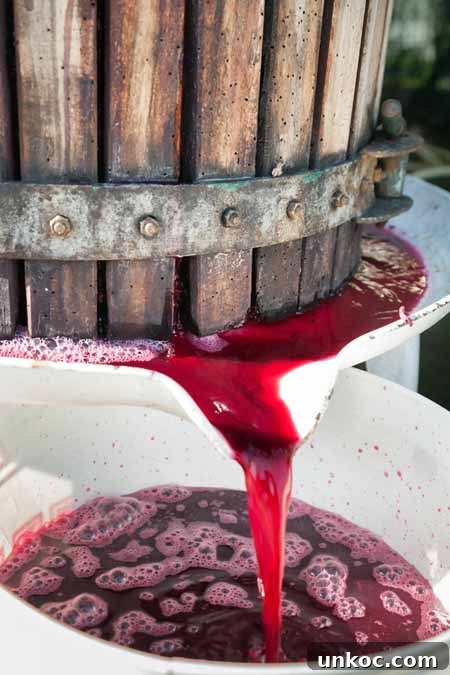
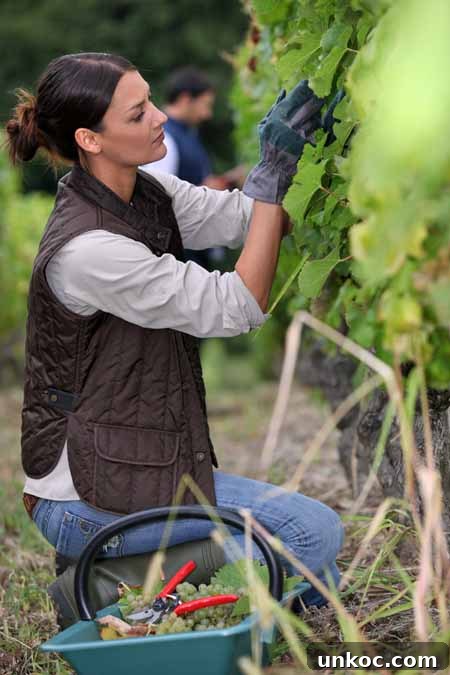
Some home winemakers eventually experiment with growing or sourcing their own fruit. If you choose that path, take time to research how fruit quality, ripeness, acidity, and tannins affect wine. Consistency matters throughout the process, from preparation to fermentation to bottling.
Red or white, the best approach is to begin simply. Choose a reliable recipe or kit, keep everything clean, follow the directions, and be patient. Home wine making rewards careful attention, and each batch teaches you something new. With practice, you can build confidence and develop a better understanding of the craft behind every bottle.
Once your homemade wine is ready, you can enjoy it on its own or use it in cooking to add depth and richness to meals. The more you learn about the wine you make, the better you will understand how to pair it, serve it, and use it in the kitchen.