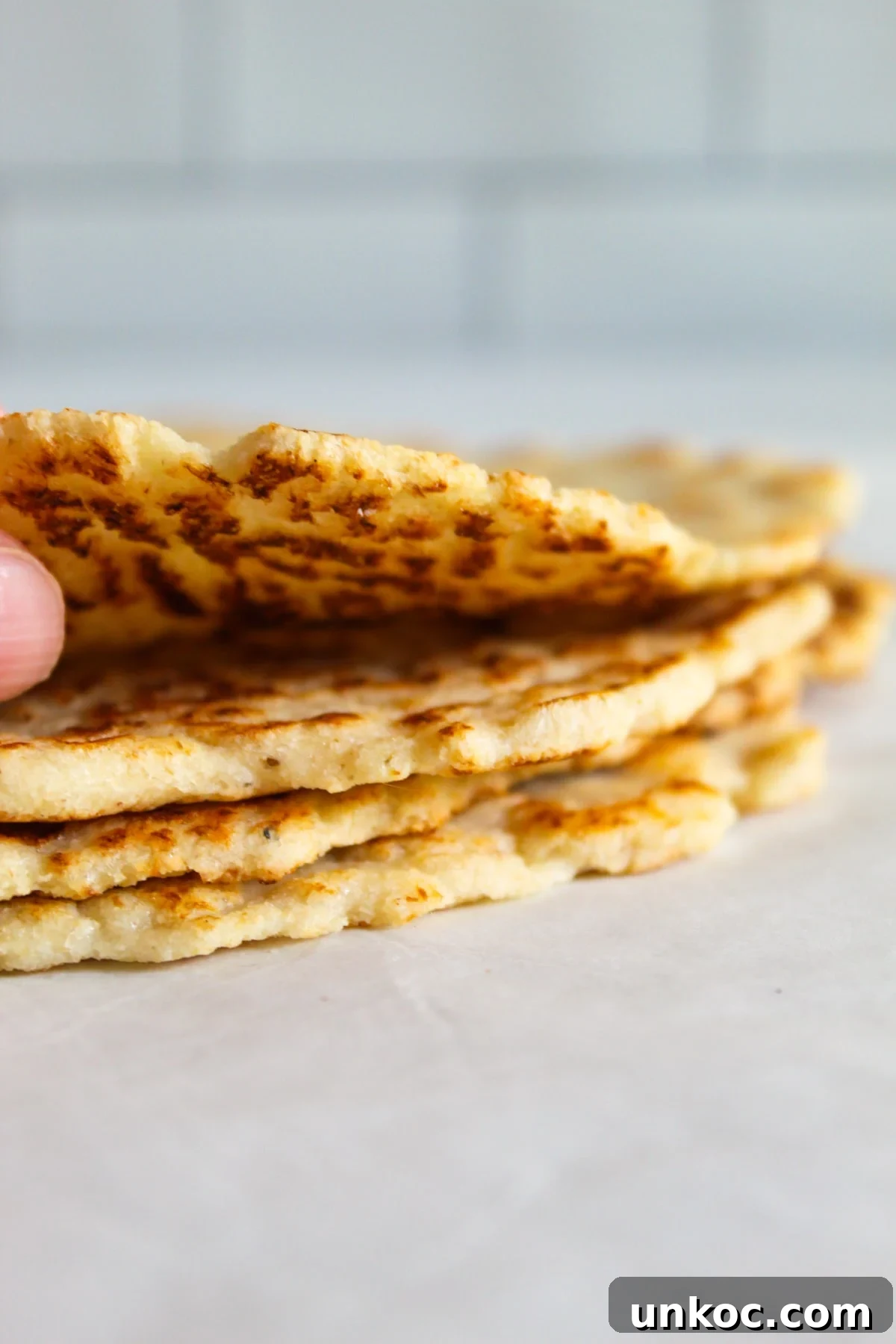
Making a soft and flexible almond flour tortilla recipe can feel tricky at first. Almond flour does not behave like wheat flour because it contains no gluten and has very little starch. That means the dough can crack, tear, or become gummy if the moisture, binder, and cooking temperature are not balanced correctly.
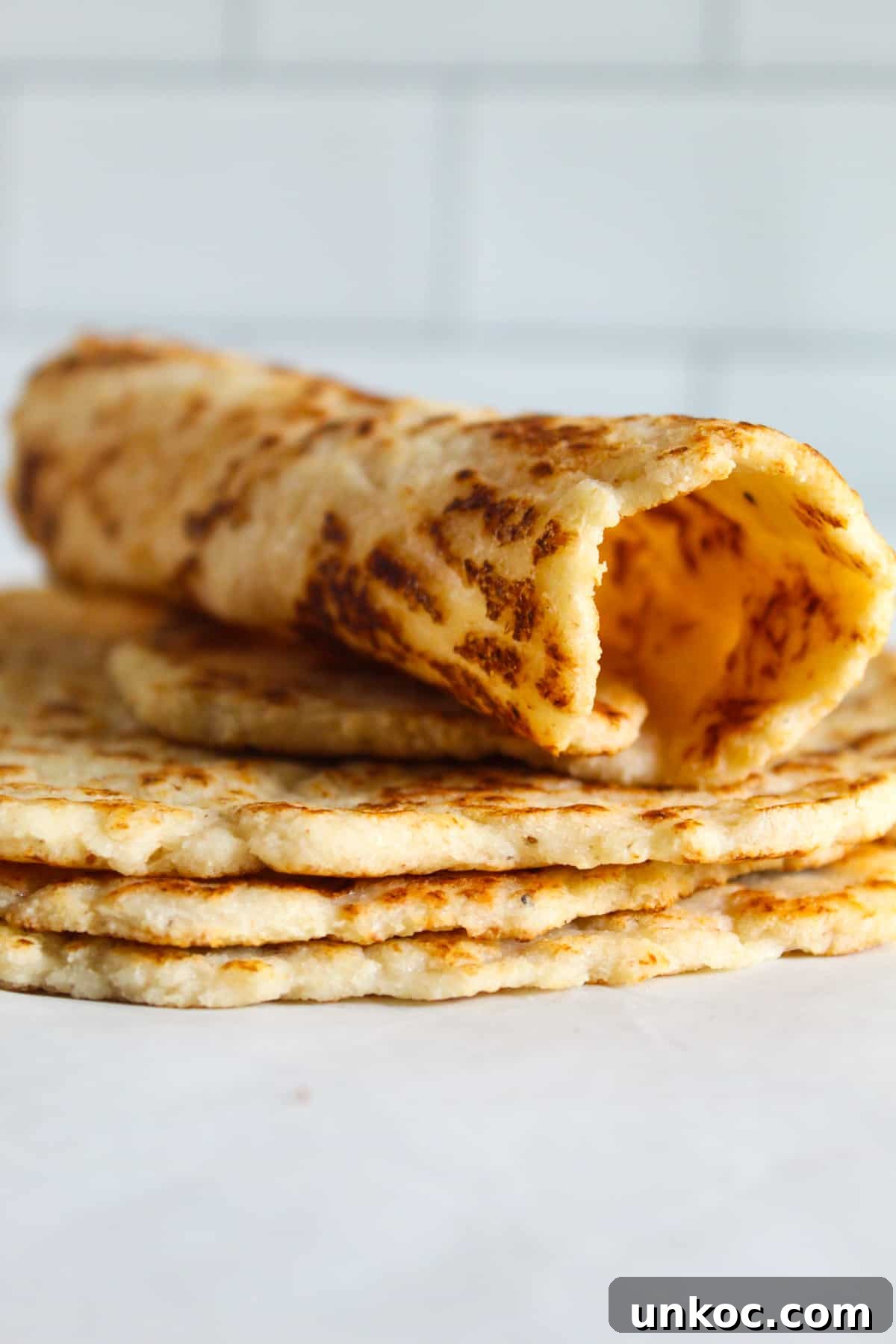
The good news is that homemade almond flour tortillas are completely achievable with a simple ingredient list and the right technique. This recipe creates grain-free tortillas that are soft enough for tacos, wraps, quesadillas, and quick low-carb meals.
How This Almond Flour Tortilla Recipe Creates Flexible Wraps
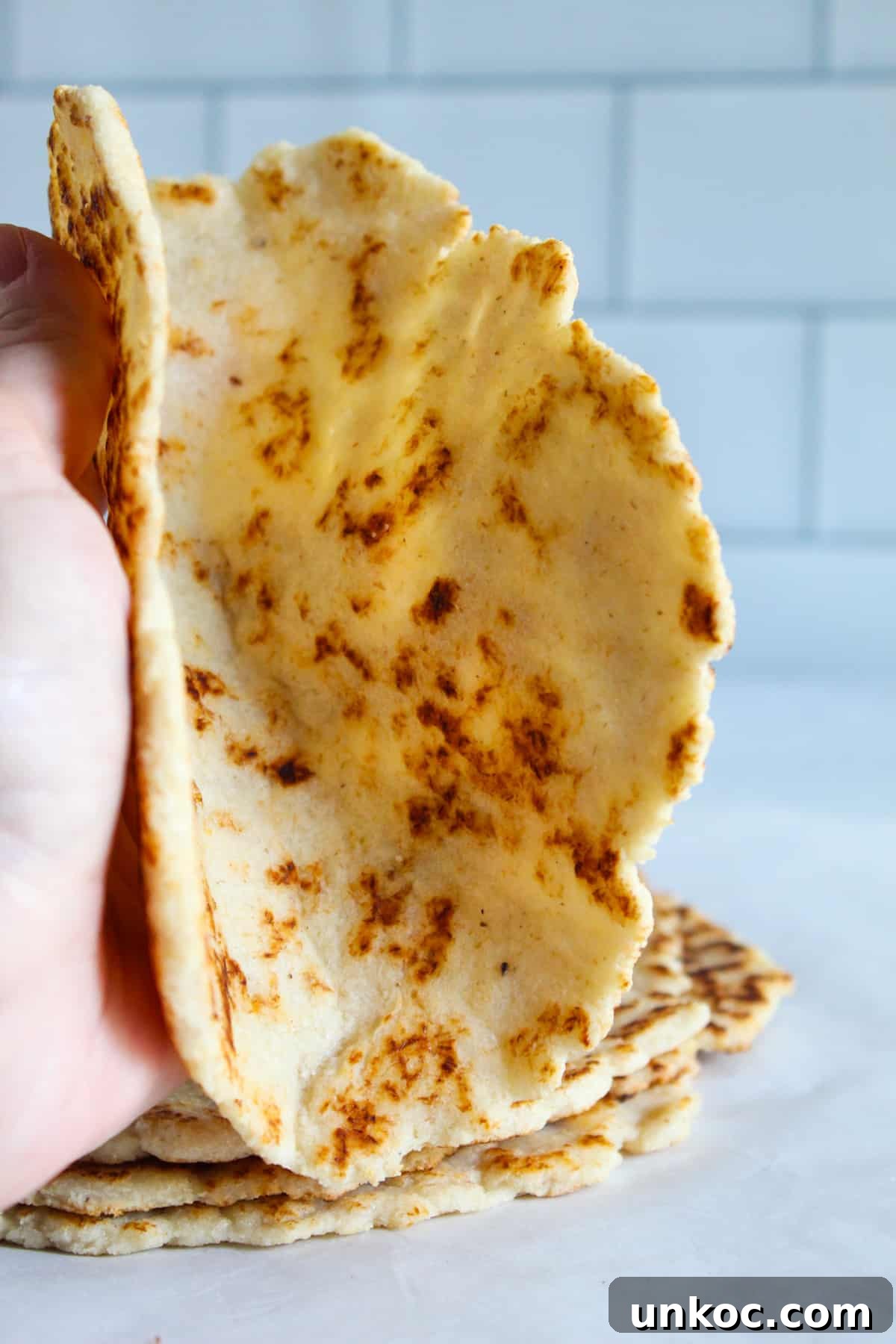
This almond flour tortilla recipe works by combining finely ground almond flour with psyllium husk, warm water, oil, and salt. The almond flour gives the tortillas a tender, mildly nutty base, while psyllium husk provides the structure that gluten would normally bring to wheat tortillas.
Because almond flour is naturally rich in fat and low in starch, the dough needs enough hydration to stay soft without becoming sticky. It also needs gentle handling during rolling and moderate heat during cooking. When these details come together, the tortillas become flexible, foldable, and easy to use.
Quick Ingredient Snapshot
Keep these ingredients ready before you start mixing. Once measured, the dough comes together quickly.
- Almond flour
- Whole psyllium husks
- Sea salt
- Olive oil
- Warm water
Ingredients & Substitutes
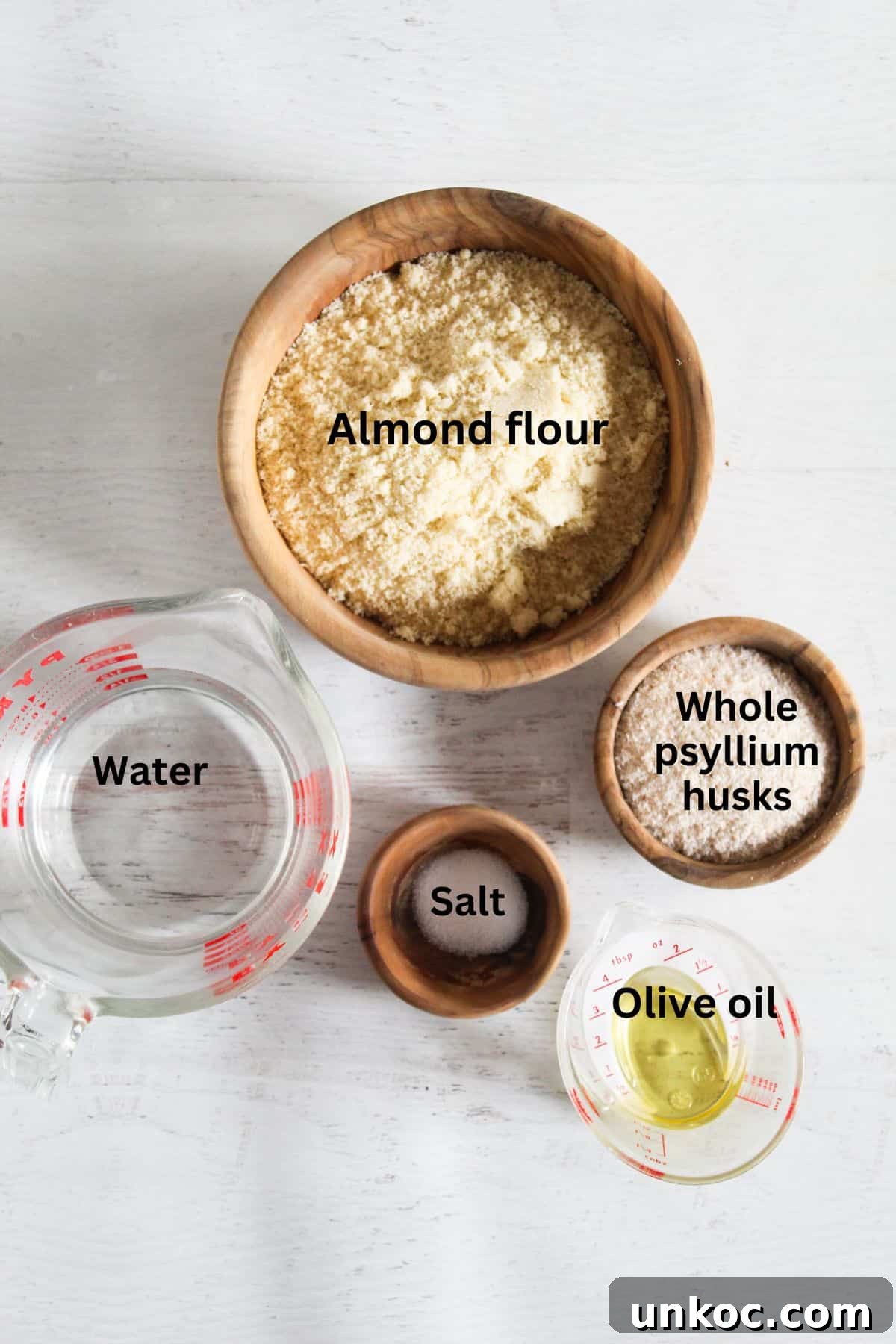
This recipe uses only a few pantry-friendly ingredients, but the quality and type of each one matter. For the best texture, use finely ground almond flour rather than coarse almond meal.
Main Ingredients
- Almond Flour: Finely ground almond flour creates a soft, tender base for grain-free tortillas.
- Whole Psyllium Husks: Psyllium absorbs water and forms a flexible gel that helps the tortillas hold together.
- Sea Salt: Salt balances the mild flavor of almond flour and keeps the tortillas from tasting flat.
- Olive Oil: A small amount of oil adds moisture and improves pliability.
- Warm Water: Warm water hydrates the psyllium and helps the dough form smoothly.
Substitutes & Variations
Oil Options
You can replace olive oil with a neutral oil such as avocado oil or sunflower oil. The flavor will change slightly, but the dough should still work well.
Binder Alternatives
Psyllium husk gives the best flexibility in this recipe. If using psyllium husk powder instead of whole husks, reduce the amount slightly because powder absorbs water more quickly. Xanthan gum can also help with structure, but it will not behave exactly like psyllium.
Flour Clarity
Almond meal is not the same as almond flour. Almond meal is usually coarser and can make tortillas heavier, more fragile, and less flexible. For soft almond flour tortillas, finely ground almond flour is the better choice.
Printable Almond Flour Tortilla Recipe Card
Course: Appetizer, Breakfast, Main Course, Side Dish, Snack
Cuisine: American, Mexican
Diet: Gluten Free, Low Lactose, Low Salt, Vegan
Prep Time: 15 minutes
Cook Time: 5 minutes
Total Time: 20 minutes
Servings: 4 tortillas
Calories: 100 kcal
Author: Tikare
Ingredients
- 100 grams almond flour about 1 cup
- 15 grams whole psyllium husks about 3 tablespoons
- ½ teaspoon sea salt
- 1½ teaspoons olive oil
- ½ cup warm water about 120 ml
Instructions
- Heat the Pan: Warm a medium skillet over medium heat so it is ready when the tortillas are rolled.
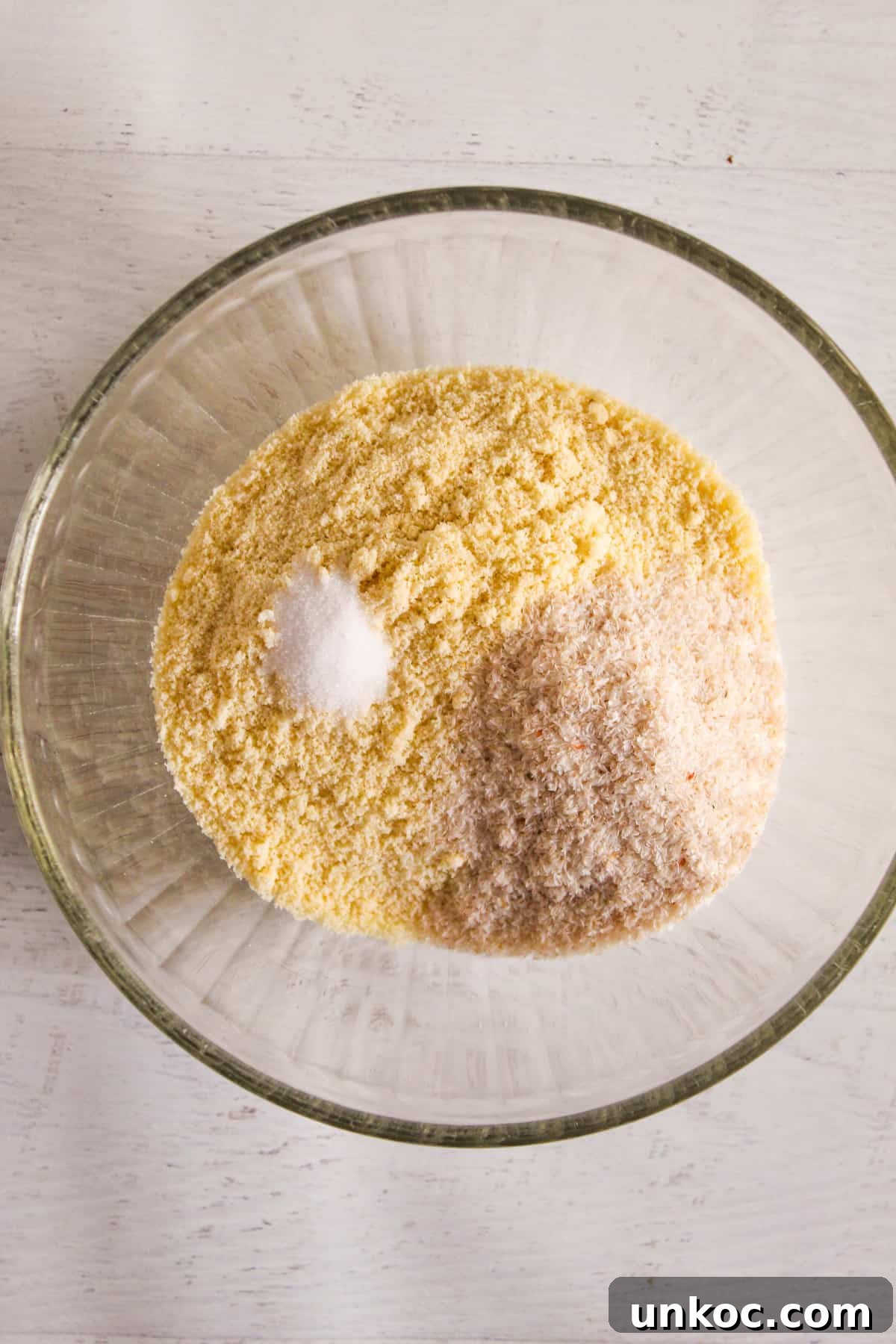
- Mix Dry Ingredients: In a medium bowl, stir together the almond flour, psyllium husks, and salt until evenly combined.
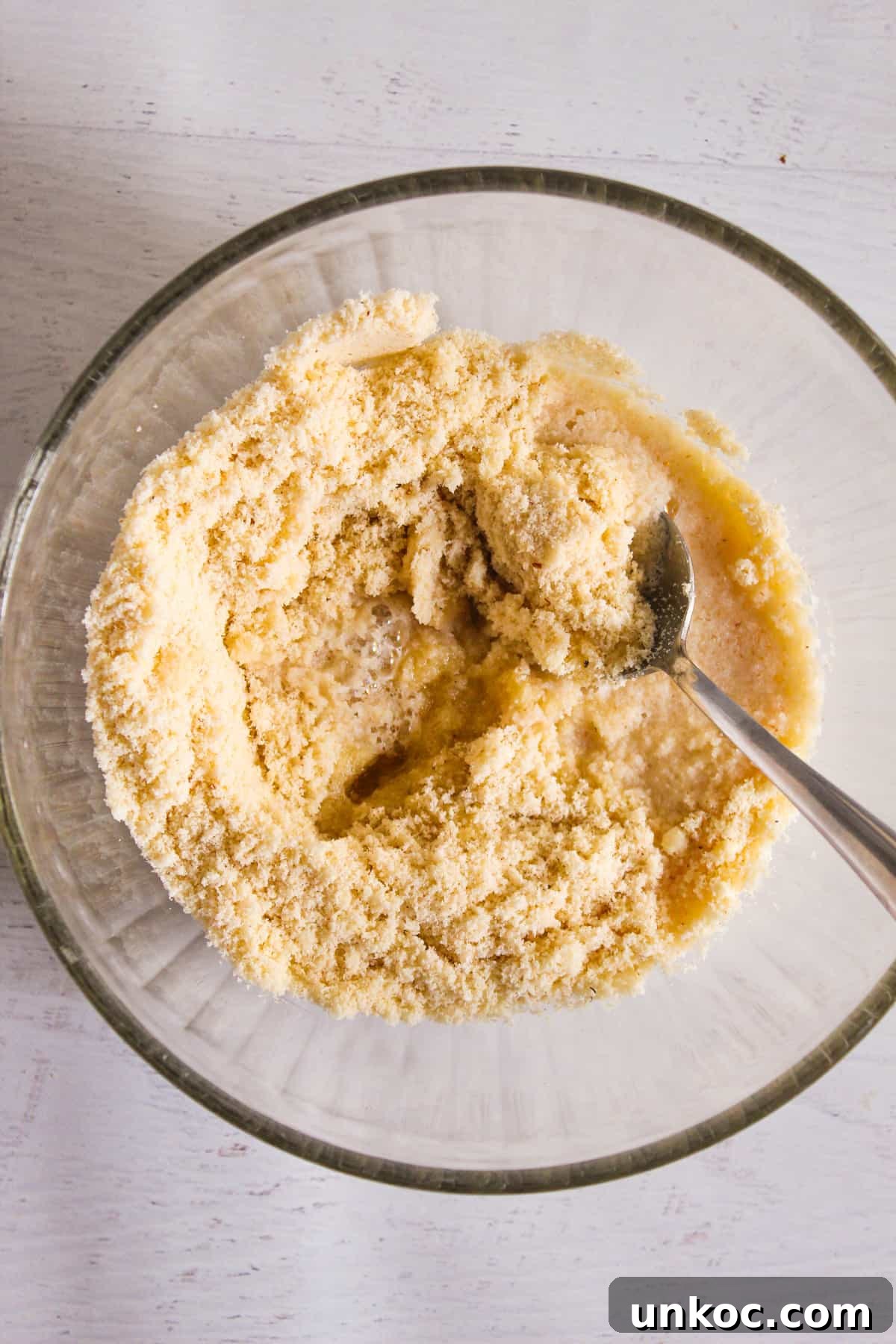
- Add Wet Ingredients: Pour in the olive oil and warm water, then stir with a sturdy spoon.
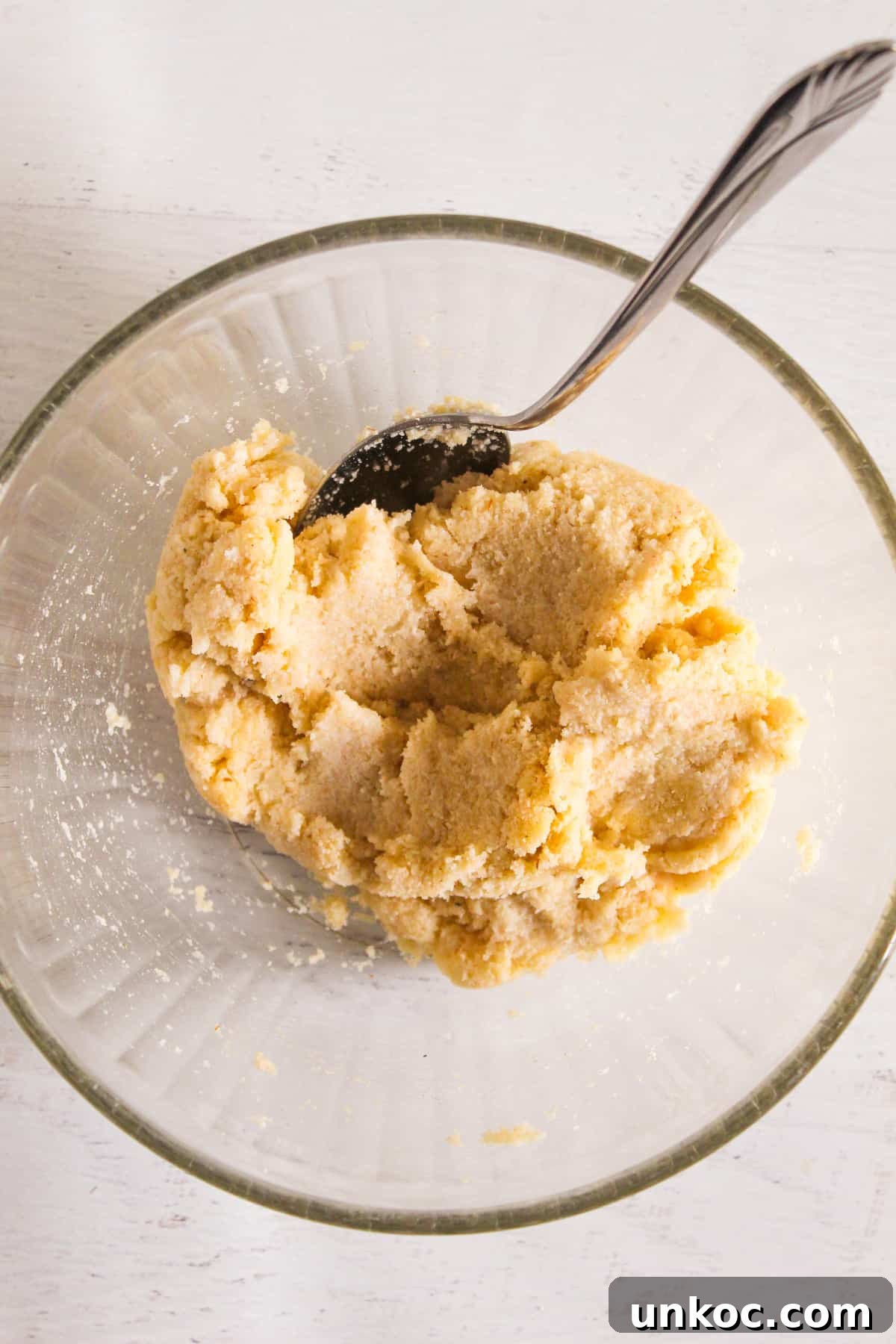
- Form the Dough: Mix for about one minute, until the ingredients form a cohesive dough that holds its shape.
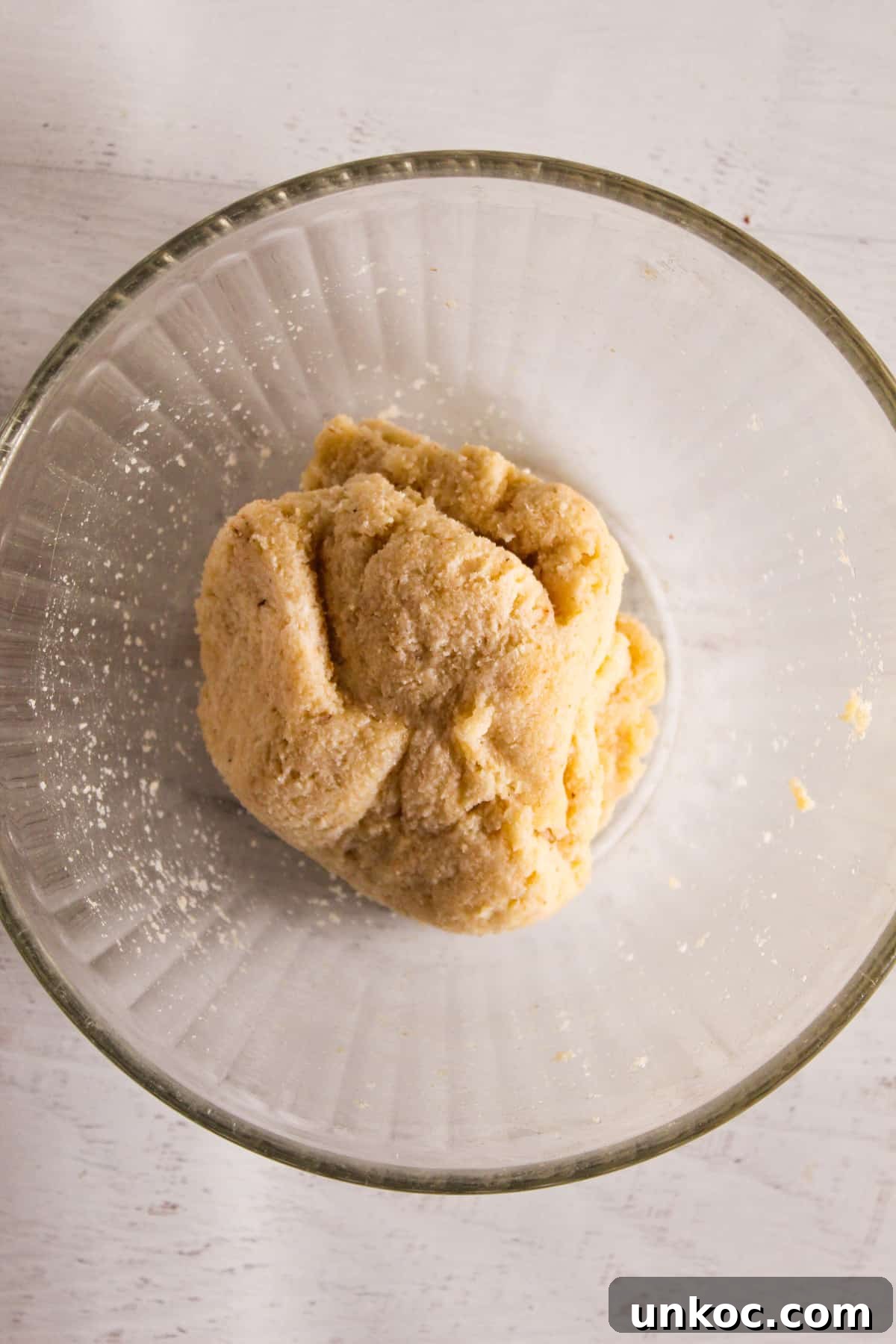
- Rest the Dough: Let the dough sit for 5–10 minutes so the psyllium can fully absorb the water.
- Shape the Tortillas: Divide the dough into four equal pieces. Place one piece between two sheets of parchment paper and roll it into a 6–7 inch circle.
- Cook: Lightly spray the skillet if needed. Cook each tortilla for 1–2 minutes per side, until lightly golden and set.
- Serve: Stack the tortillas and cover them with a clean towel to keep them soft. Serve warm or at room temperature.
Notes
- Resting: A short rest improves flexibility because psyllium needs time to hydrate.
- Rolling: Always roll between parchment paper to prevent sticking and tearing.
- Freezing: Freeze tortillas with parchment between each one for easier separation.
- Serving Ideas: Use these tortillas for tacos, wraps, quesadillas, or grain-free sandwich alternatives.
Estimated Nutrition & Calories for Homemade Almond Flour Tortillas
Nutrition will vary depending on the exact ingredients and tortilla size. The values below are estimates for one tortilla when the batch makes four tortillas:
- Calories: about 95–100 kcal
- Total Fat: about 6–8 g
- Saturated Fat: about 1 g
- Cholesterol: 0 mg
- Sodium: about 110–190 mg
- Total Carbohydrates: about 8–12 g
- Dietary Fiber: about 1.5–3 g
- Net Carbs: about 6–9 g
- Sugar: about 0–1 g
- Protein: about 2–6 g
Nutrition
Carbohydrates: 9 g |
Protein: 5 g |
Fat: 14 g |
Fiber: 5 g |
Sugar: 1 g
What Makes This Almond Flour Tortilla Recipe Work
A great almond flour tortilla needs three things: a reliable binder, the right amount of water, and careful cooking. Since almond flour does not stretch like wheat dough, every step helps build flexibility.
1. Proper Binding
Psyllium husk is the key binder in this recipe. Once mixed with warm water, it forms a gel-like texture that holds the almond flour together. This prevents the tortillas from crumbling when rolled, flipped, or folded.
2. Moisture Balance
Too much water can make the dough sticky and difficult to handle. Too little water can make the tortillas dry and brittle. The dough should feel slightly tacky but not wet. If it seems dry, add a few drops of warm water. If it feels too sticky, let it rest before adding anything else.
3. Rolling Technique
Rolling between parchment paper is essential. It prevents sticking without adding extra flour, which could dry out the dough. It also helps you roll the tortillas evenly so they cook at the same rate from edge to center.
4. Pan Temperature Control
Medium heat works best. A pan that is too hot can brown the outside before the inside cooks through. A pan that is too cool can dry the tortillas before they set. Aim for light golden spots on each side.
Essential Kitchen Tools for Best Results
- Skillet: Use a medium skillet that heats evenly.
- Rolling Pin: A smooth rolling pin helps create thin, even tortillas.
- Parchment Paper: Parchment keeps the dough from sticking and makes shaping easier.
Step-by-Step Instructions (With Texture Cues)
Pay attention to how the dough feels as you work. Almond flour dough is different from wheat dough, so texture cues are often more helpful than appearance alone.
Step 1: Mix the Dough
In a bowl, combine the almond flour, psyllium husk, and salt.
Add the warm water and olive oil, then stir until the mixture begins to come together.
The finished dough should be soft, slightly tacky, and able to hold its shape. It should not be crumbly or runny.
Step 2: Rest the Dough
Let the dough rest for 5–10 minutes. This short pause gives the psyllium time to absorb the liquid, making the dough easier to roll and less likely to crack.
Step 3: Roll Between Parchment
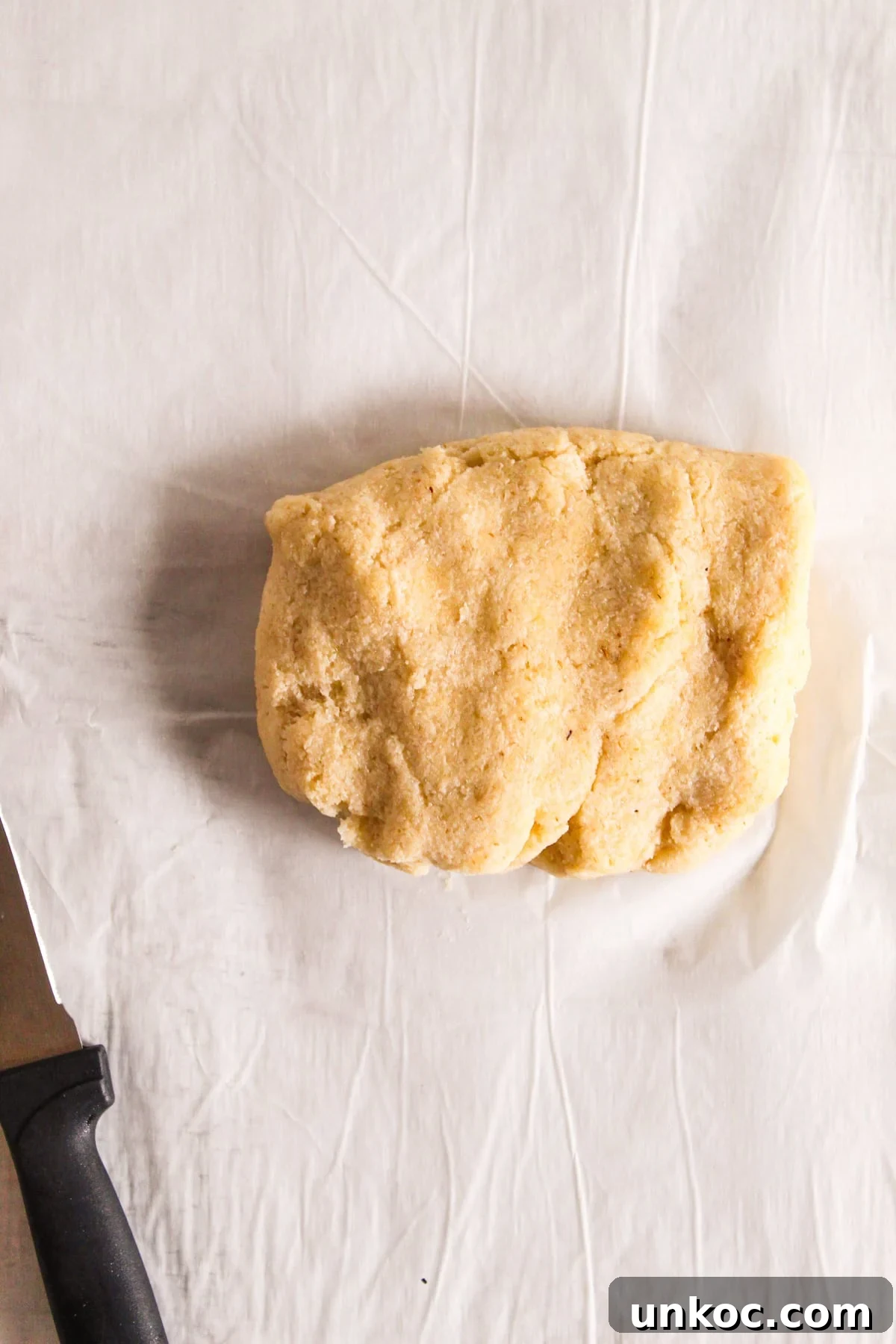
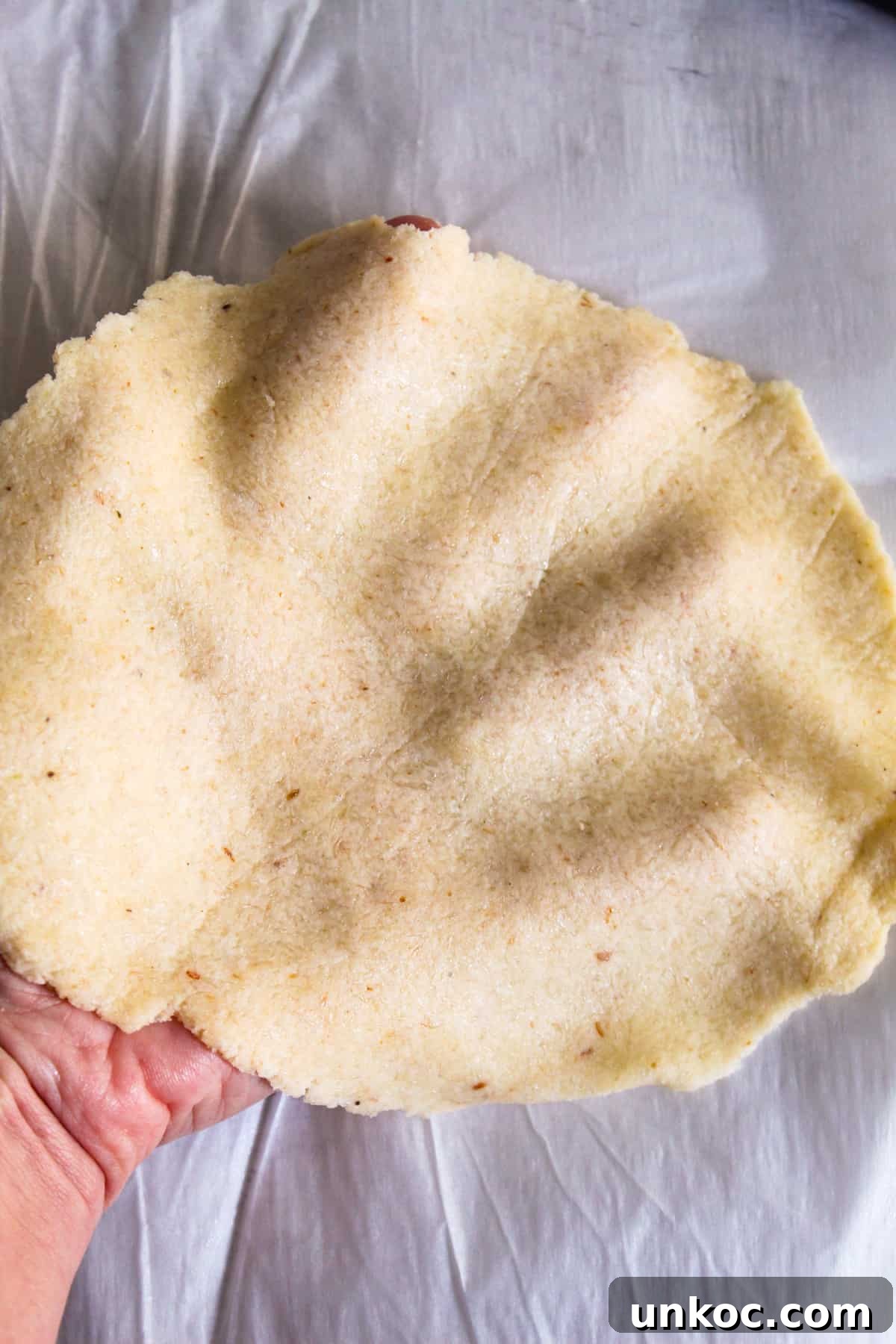
Transfer the dough to parchment paper and shape it into a round.
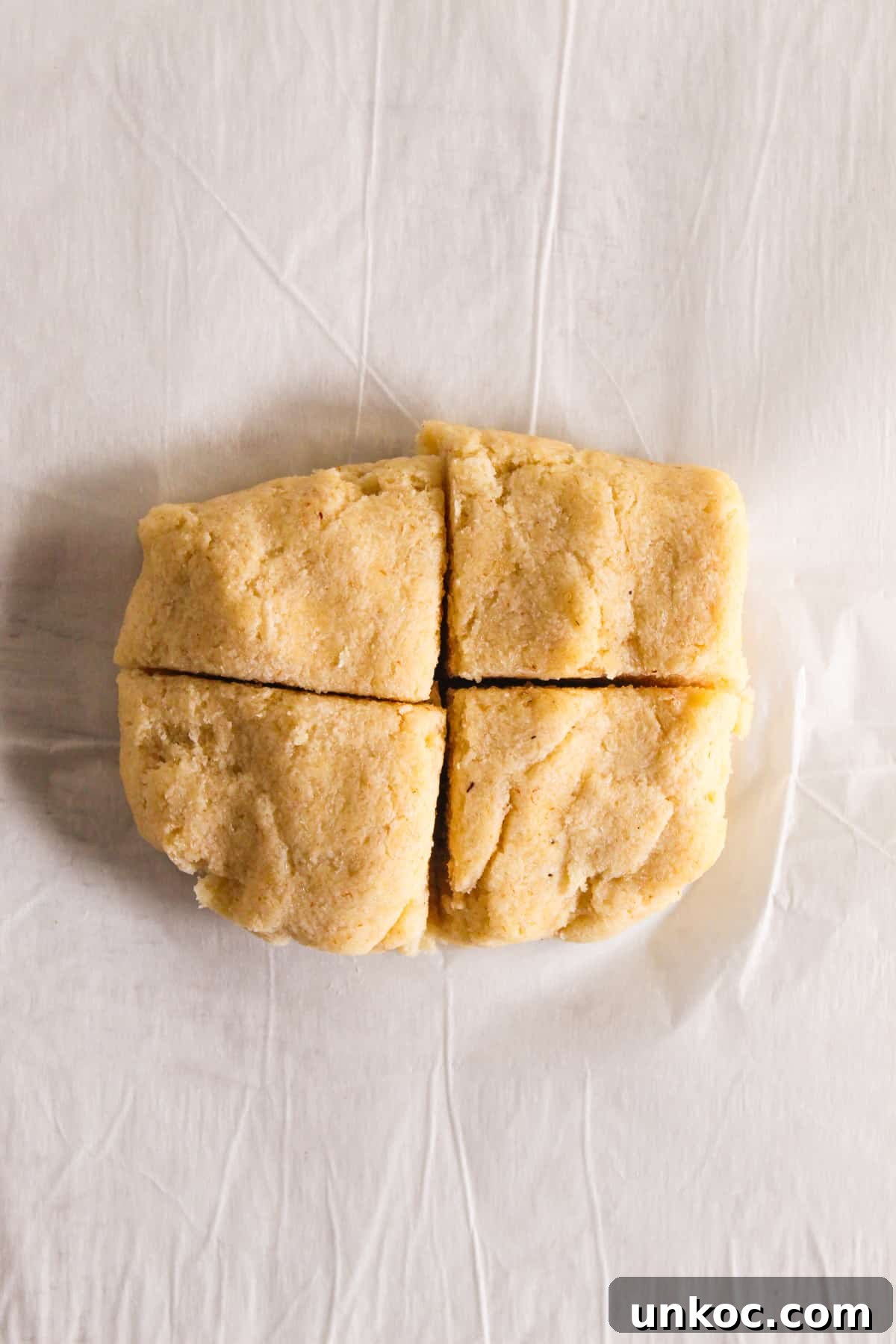
Divide the rested dough into four equal balls.
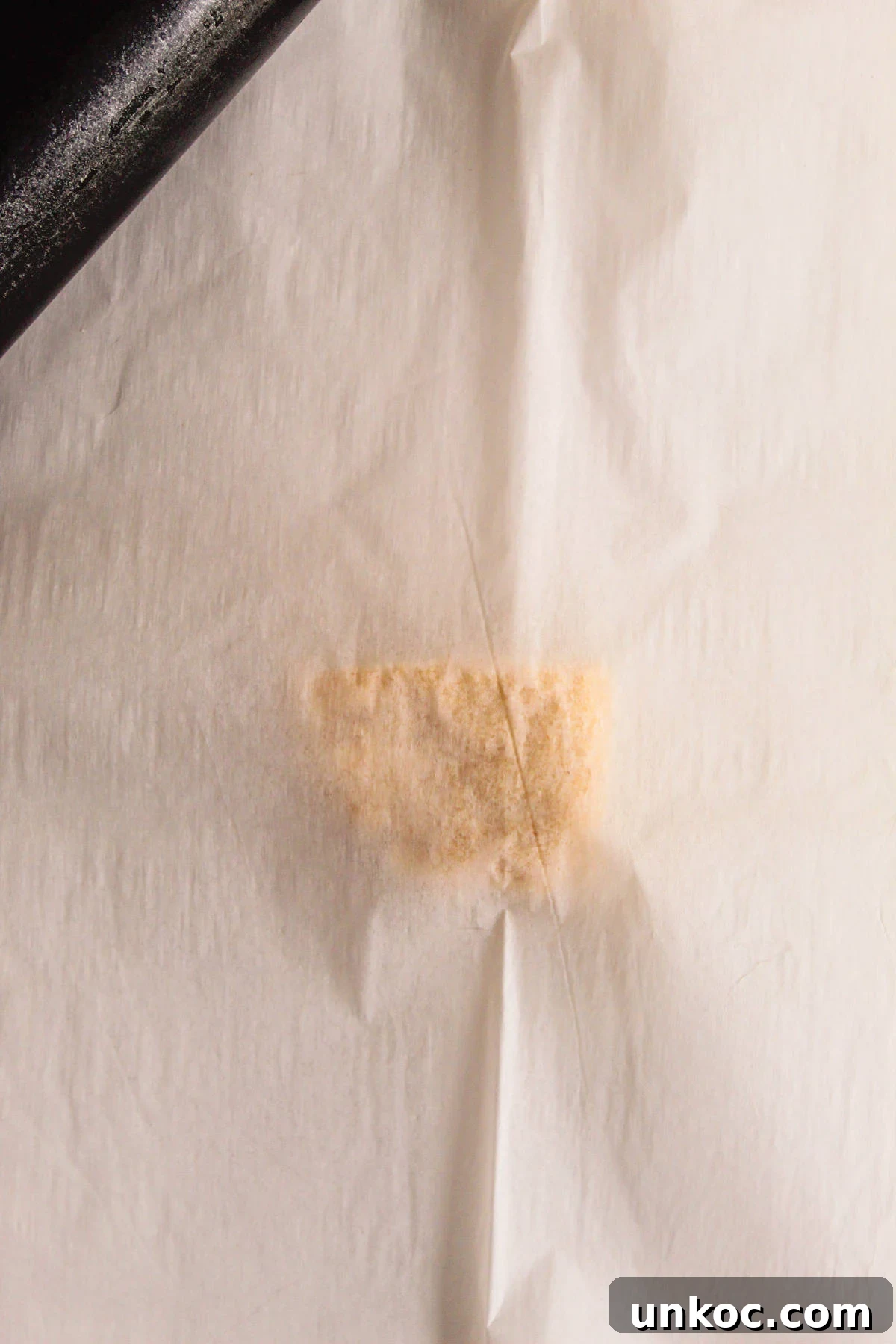
Place one dough ball between two sheets of parchment paper.
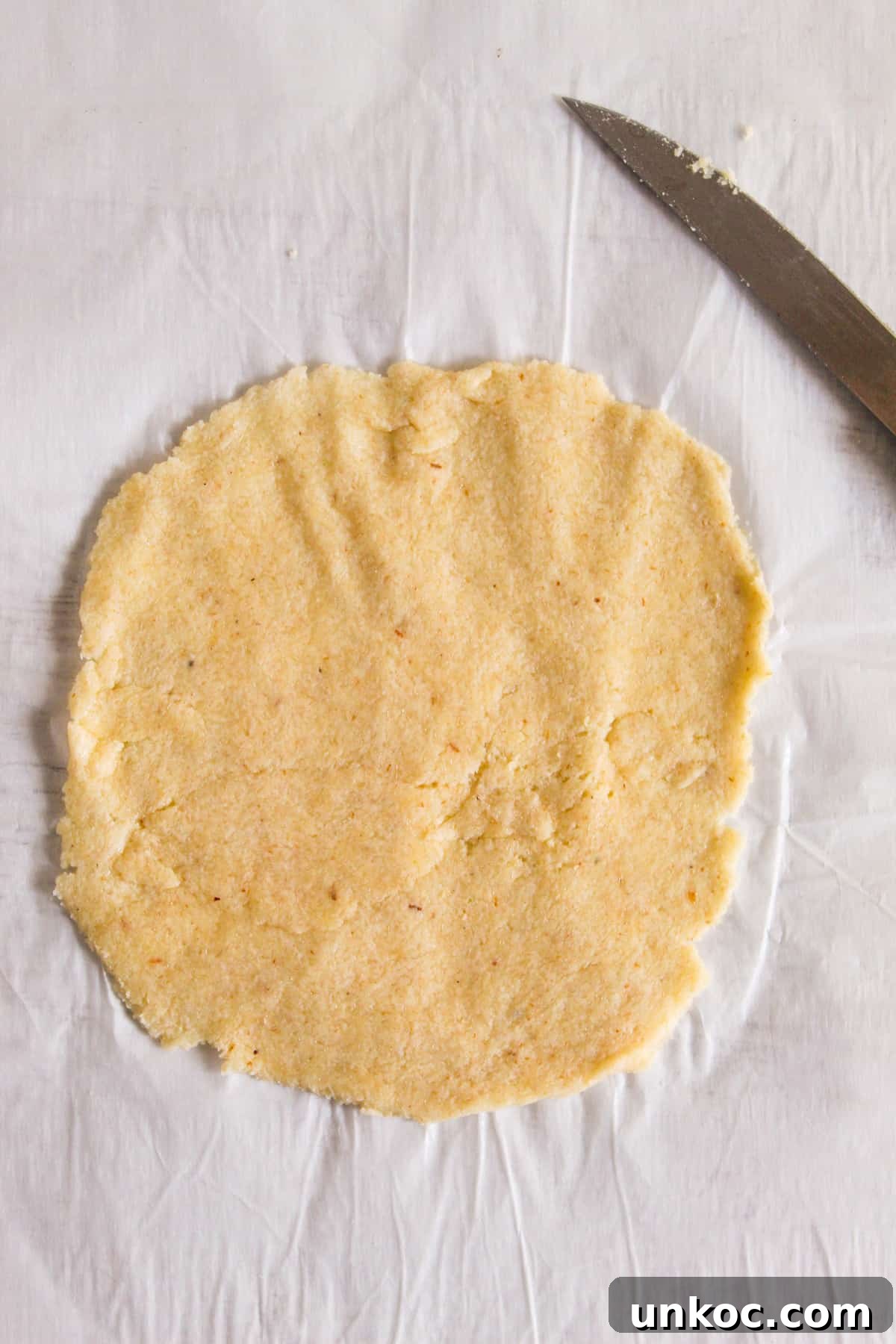
Roll into a circle about 6–7 inches across. Small cracks around the edges are normal, but avoid rolling the dough so thin that it tears.
Step 4: Cook on Skillet
Heat a skillet over medium heat. Carefully place one rolled tortilla onto the hot surface.
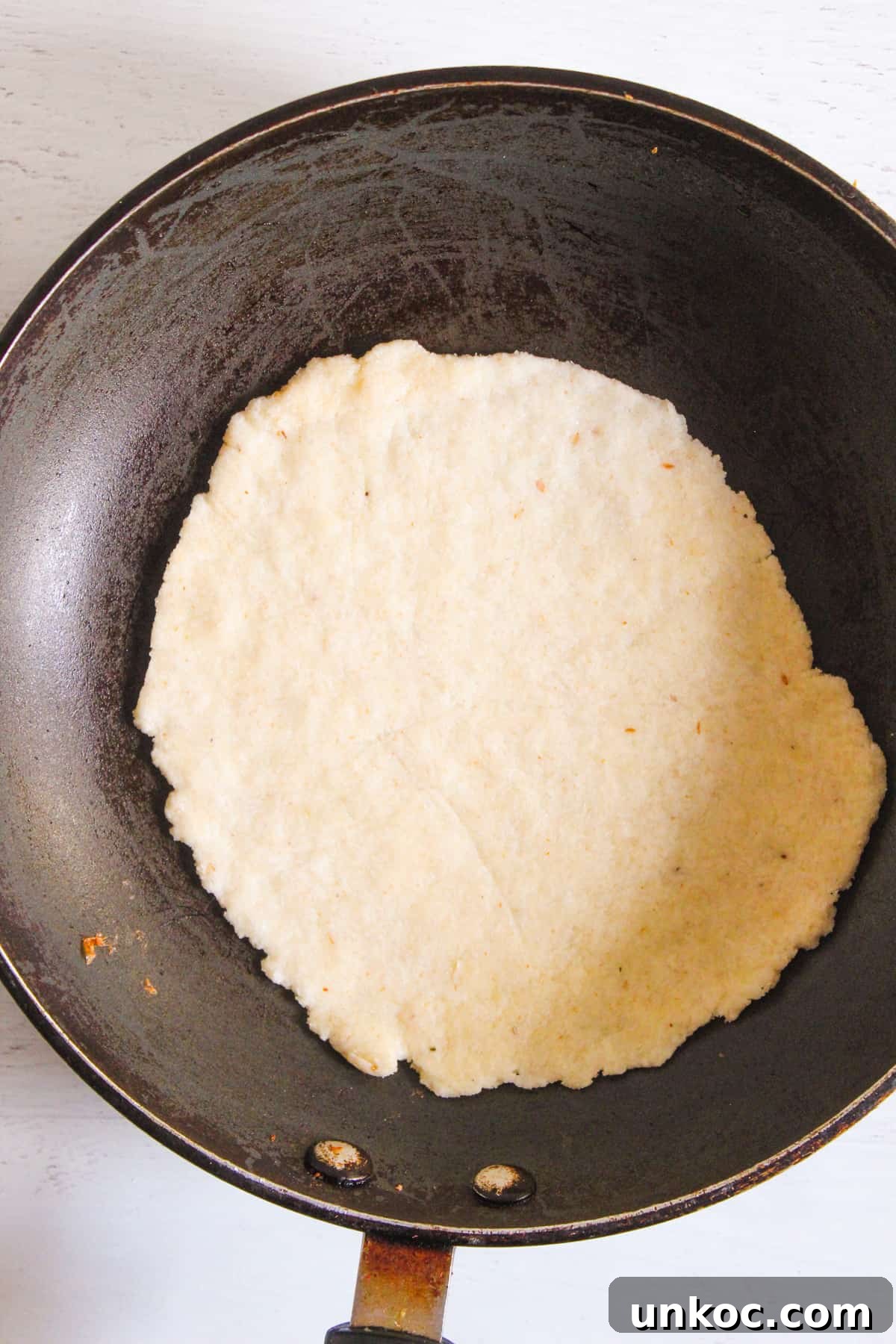
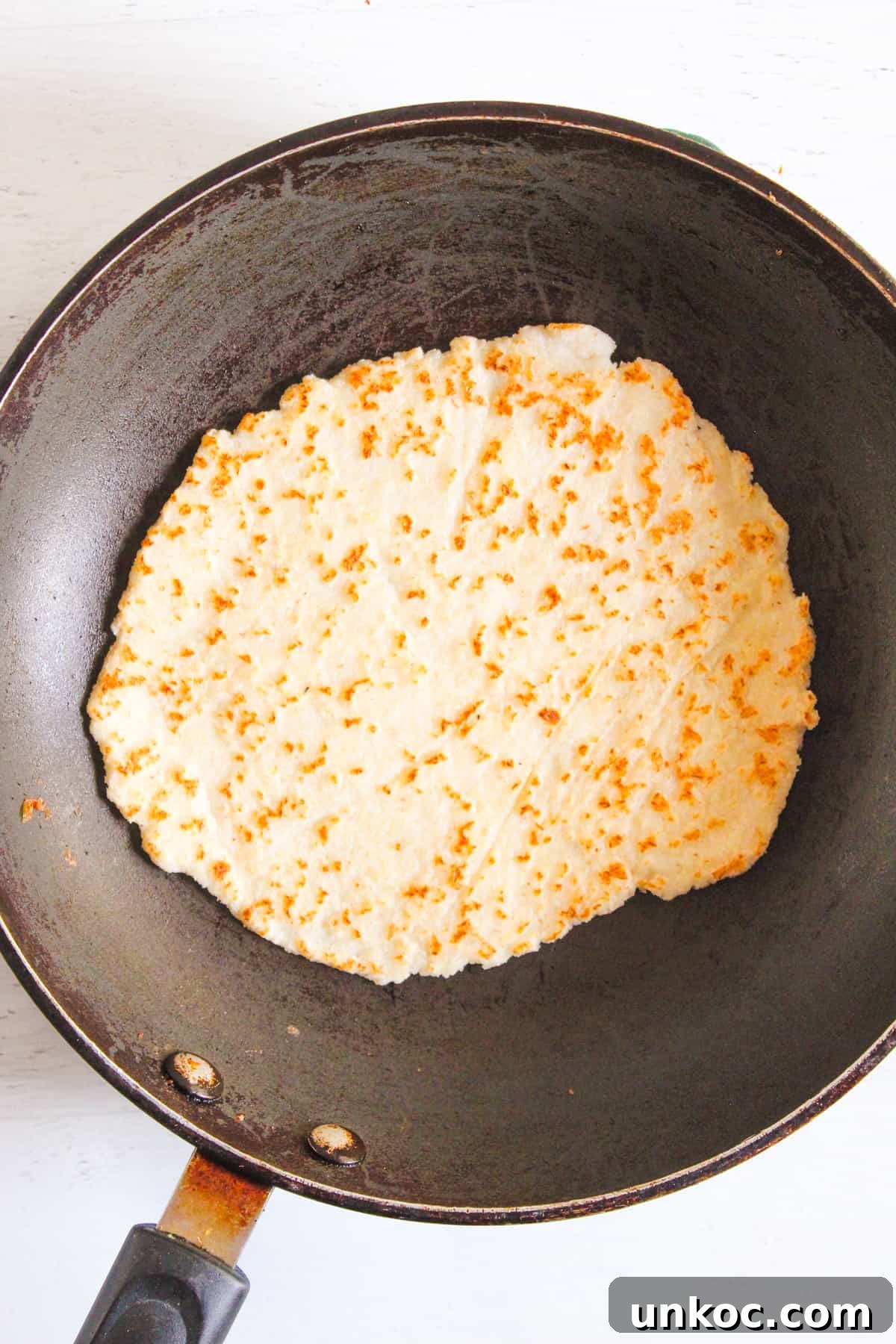
Cook until the surface begins to set and light golden spots appear underneath. Flip gently and cook the second side.
Step 5: Stack & Cover
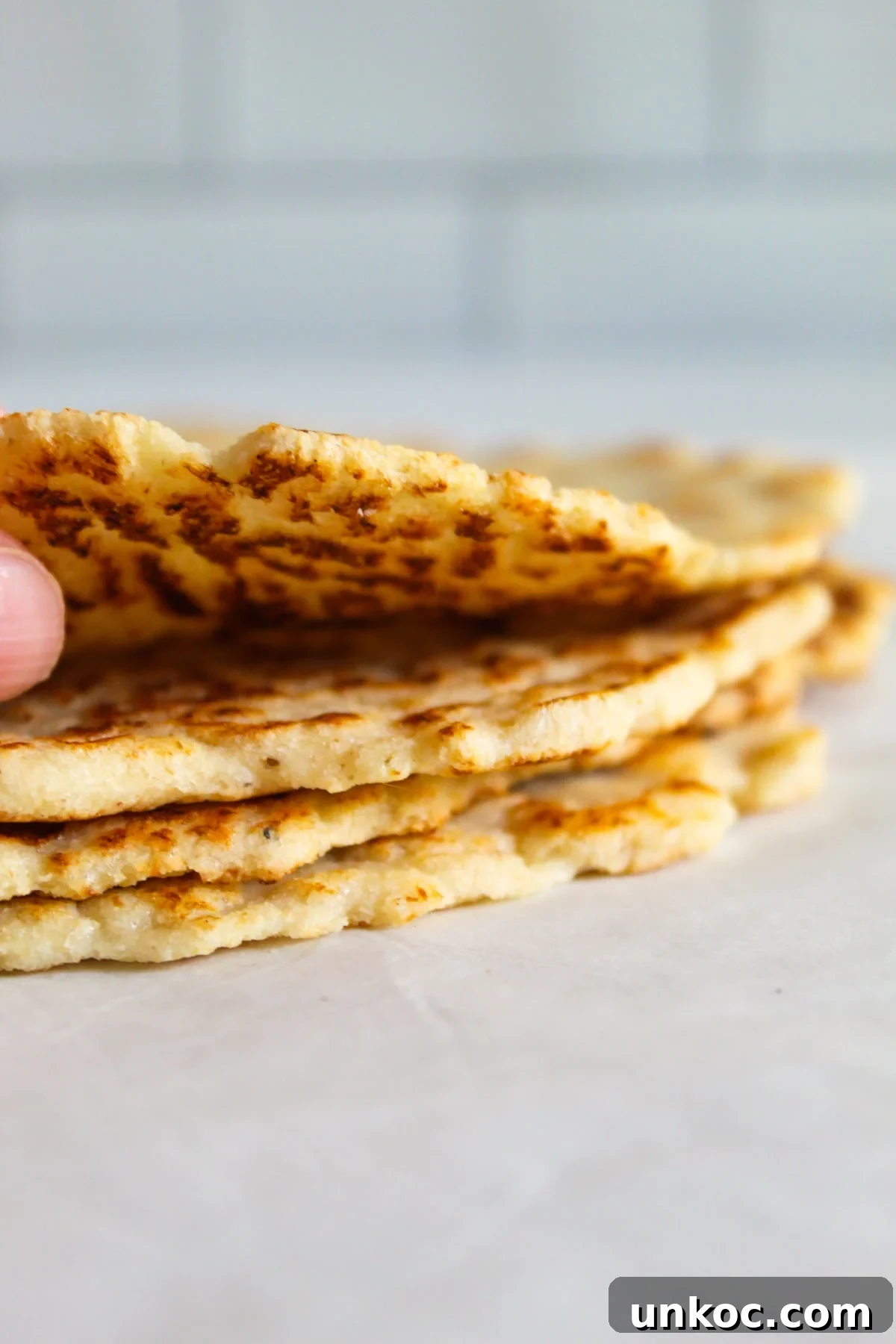
As each tortilla finishes cooking, stack it with the others and cover the stack with a clean kitchen towel. The trapped steam helps soften the tortillas and keeps them flexible.
Why Almond Flour Tortillas Crack And How to Fix Them
If your almond flour tortillas crack, the problem is usually dryness, weak binding, or rolling them too thin. These issues are easy to correct once you know what to look for.
Cracking or Breaking
Cracking often means the dough needs more moisture or more time to rest. Add a few drops of warm water, knead lightly, and let the dough sit before rolling again. Also make sure the tortillas are not rolled paper-thin.
Gummy or Sticky Centers
A gummy center can happen if the skillet is too cool or the dough contains too much liquid. Preheat the pan properly and cook until both sides show light golden spots.
Oily Surface
Almond flour naturally contains fat, so a slight sheen is normal. If the tortillas seem greasy, avoid adding extra oil and keep the pan at medium heat rather than high heat.
Crumbly Texture
Crumbly tortillas usually need better hydration. Check that the psyllium has fully absorbed the water and that the dough feels cohesive before rolling.
How to Use Almond Flour Tortillas
Once cooked, these almond flour tortillas are useful for many gluten-free and low-carb meals.
For Tacos
Warm the tortilla gently, then fill it with your favorite taco fillings.
For Burritos
Roll the dough slightly larger and use flexible fillings that do not overstuff the tortilla.
For Wraps
Use a warm tortilla with greens, spreads, sliced chicken, eggs, or vegetables for a quick lunch.
For Quesadillas
Add cheese and fillings between tortillas, then heat until the cheese melts and the edges lightly crisp.
For Keto Sandwiches
Fold a tortilla around deli meat, egg salad, sliced vegetables, or other low-carb sandwich fillings.
For Enchiladas
Fill the tortillas, roll them seam-side down, cover with sauce, and bake until hot.
How to Store & Reheat Your Almond Flour Tortillas
Refrigerator Storage
Cool the tortillas completely, then stack them with parchment paper between each one. Store in an airtight container or resealable bag in the refrigerator for about 4–5 days.
Freezing for Longer Use
Freeze cooled tortillas with parchment between the layers. Place the stack in a freezer-safe bag or container, remove excess air, and freeze for up to 2–3 months.
Reheating Without Cracking
- Skillet: Warm each tortilla in a dry skillet over medium-low heat until soft.
- Microwave: Wrap tortillas in a damp paper towel and microwave for 15–25 seconds.
Rehydration Trick
If a tortilla feels dry after storage, cover it with a slightly damp towel and microwave for 10–15 seconds. The steam helps restore flexibility.
Almond Flour vs Coconut Flour Tortillas
Almond flour and coconut flour are both popular gluten-free options, but they behave differently. Almond flour tortillas tend to be softer and more flexible, while coconut flour tortillas often need more liquid and can become drier if not carefully balanced.
| Feature | Almond Flour Tortillas | Coconut Flour Tortillas |
|---|---|---|
| Texture | Soft, flexible, pliable | Drier, more crumbly |
| Carbohydrates | Lower net carbs | Slightly higher net carbs |
| Flavor | Mildly nutty | Subtly sweet and mild |
| Best Uses | Tacos, wraps, quesadillas | Quick wraps and smaller handhelds |
| Binding Needs | Benefits from psyllium for elasticity | Often requires more liquid and eggs |
| Moisture Sensitivity | More forgiving | Can dry out quickly |
| Heat Tolerance | Can crisp gently | Tends to stiffen faster |
Nutrition Benefits of This Almond Flour Tortilla Recipe
This almond flour tortilla recipe is a useful option for gluten-free and low-carb meals. Almond flour is naturally lower in carbohydrates than wheat flour and contains fat, fiber, and plant-based protein. Psyllium husk also adds fiber and helps reduce the net carb impact.
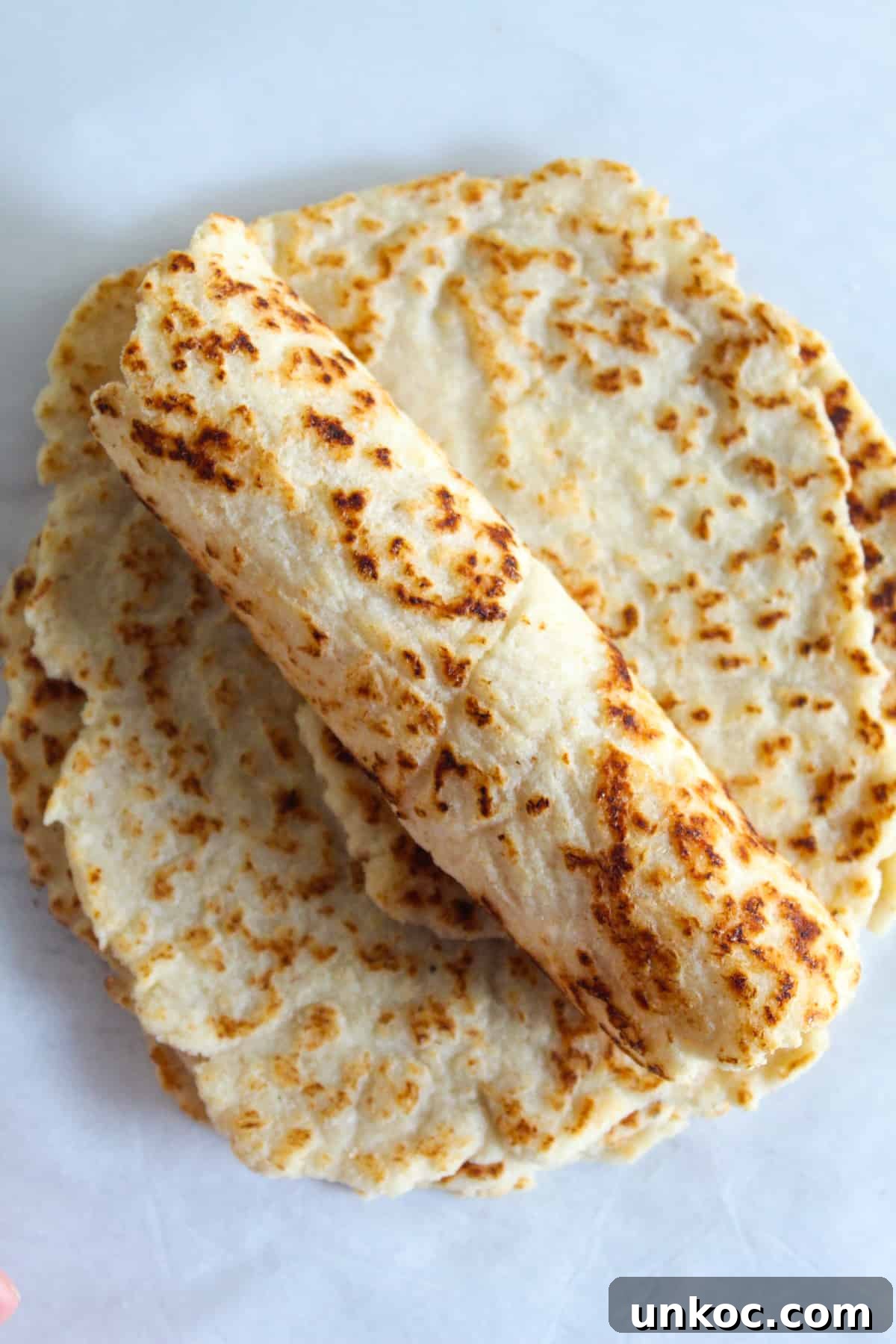
Net Carbs Per Tortilla
Net carbs vary based on brands and tortilla size, but these almond flour tortillas generally fit well into low-carb meal planning when portioned as written.
Carb Comparison vs Wheat Tortilla
Traditional wheat tortillas are usually higher in carbohydrates. Almond flour tortillas offer a grain-free alternative with more fat and fiber, making them a popular choice for keto-style meals.
Fiber Content
Psyllium husk contributes fiber and helps give the tortillas their flexible texture. Almond flour also contains some fiber, which can make the tortillas more satisfying.
Protein Content
Almond flour adds plant-based protein, making these tortillas more filling than many refined flour wraps.
Why It Fits Keto Macros
Almond flour is naturally higher in fat and lower in carbohydrates than wheat flour. When paired with psyllium husk, it creates a tortilla that works well for many keto and low-carb meals.
Baking Questions Answered
Are Almond Flour Tortillas Keto?
Yes. These tortillas are keto-friendly because they use almond flour instead of wheat flour.
Can I Use a Flax Egg?
A flax egg can help bind some grain-free doughs, but psyllium husk gives better flexibility in this recipe.
Can I Bake Instead of Pan Fry?
You can bake them, but skillet cooking usually gives better softness and browning.
Can I Air Fry?
Air frying works better if you want crisp tortilla chips. For soft wraps, use a skillet.
Can I Use An Almond Meal?
Almond meal is coarser and may produce a denser, less flexible tortilla. Finely ground almond flour is recommended.
Can I Make Larger Wraps?
Yes, but larger tortillas are more delicate. Roll carefully and avoid overfilling.
Why Are Mine Crumbly?
The dough may be too dry, or the psyllium may not have hydrated fully. Add a little warm water and rest the dough before rolling.
Can I Freeze Them?
Yes. Cool completely, layer with parchment paper, and freeze in an airtight container or freezer bag.
How Many Net Carbs?
Net carbs depend on exact ingredients and tortilla size, but they are generally in the single-digit grams per tortilla.
Can I Use Olive Oil?
Yes. Olive oil adds moisture, flavor, and flexibility.
Can I Double the Batch?
Yes. Double the ingredients and divide the dough evenly so the tortillas cook consistently.
Is This the Best Almond Flour Tortilla Recipe for Beginners?
Yes. The ingredients are simple, the method is straightforward, and the dough is easy to adjust if needed.
Related Almond Flour Recipes & Flour Swap Ideas
If you enjoy baking and cooking with almond flour, try more recipes that use it in both sweet and savory ways.
- Almond Flour Cornbread Recipe: Easy & Gluten Free
- One-Bowl Almond Flour Banana Muffins
- Quick Almond Flour Brownies with Just 8 Ingredients
- Scrumptious Almond Flour Peanut Butter Cookies
Ready to Make Soft Almond Flour Tortillas?
This almond flour tortilla recipe is simple, flexible, and practical for everyday gluten-free cooking. With the right binder, enough hydration, parchment paper, and moderate skillet heat, you can make soft grain-free tortillas that fold without breaking.
Use them warm for tacos, wraps, quesadillas, burritos, or low-carb sandwiches, and store extras for quick meals later in the week.