Future of Food and Beverage Industry in India
The pandemic changed the way people live, work, travel, eat, and make buying decisions. It also changed the way businesses operate. Among the most affected sectors were hotels, restaurants, catering services, and the wider hospitality industry. For a long time, many people believed it would be difficult for this industry to recover. However, after the lockdowns ended, the comeback of the hospitality sector was remarkable.
The food and beverage industry in India has shown strong adaptability. From changing service models to improving hygiene practices and accepting new customer preferences, businesses have responded quickly. This ability to adjust has helped the industry regain momentum and prepare for future growth.
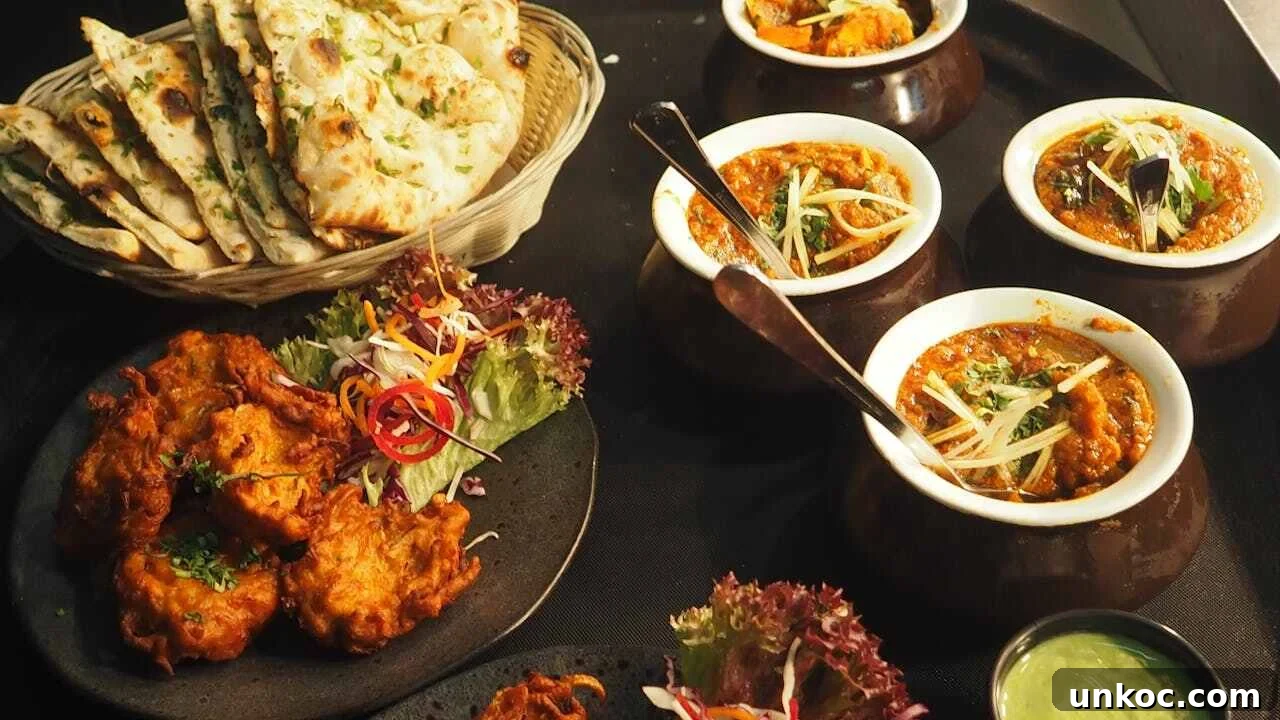
The Food and Beverage department is one of the most customer-focused areas of hospitality. It covers everything from preparing food and beverages to serving guests while maintaining comfort, safety, quality, and hygiene. After the pandemic, these responsibilities became even more important. Restaurants, hotels, cloud kitchens, catering companies, and food brands had to rebuild customer trust while continuing to offer enjoyable dining experiences.
However, the changing future of the food and beverage industry in India is not only the result of the pandemic. Several long-term factors are also shaping the industry, including lifestyle changes, rising income, urbanisation, technology, and changing food habits. Customers today are more aware, more experimental, and more demanding than ever before.
Reasons for Changes and Increasing Demand in the Food and Beverage Industry in India
- Growing population
- Advancement in technology
- Changing lifestyle and eating habits
- Economic growth
- Increase in disposable income
- Urbanisation
- More earning members in families
As customer demand increases, preferences are also evolving. People want food that is tasty, safe, healthy, convenient, and suitable for their lifestyle. This has created several new trends that are already visible and are expected to grow further in the coming years.
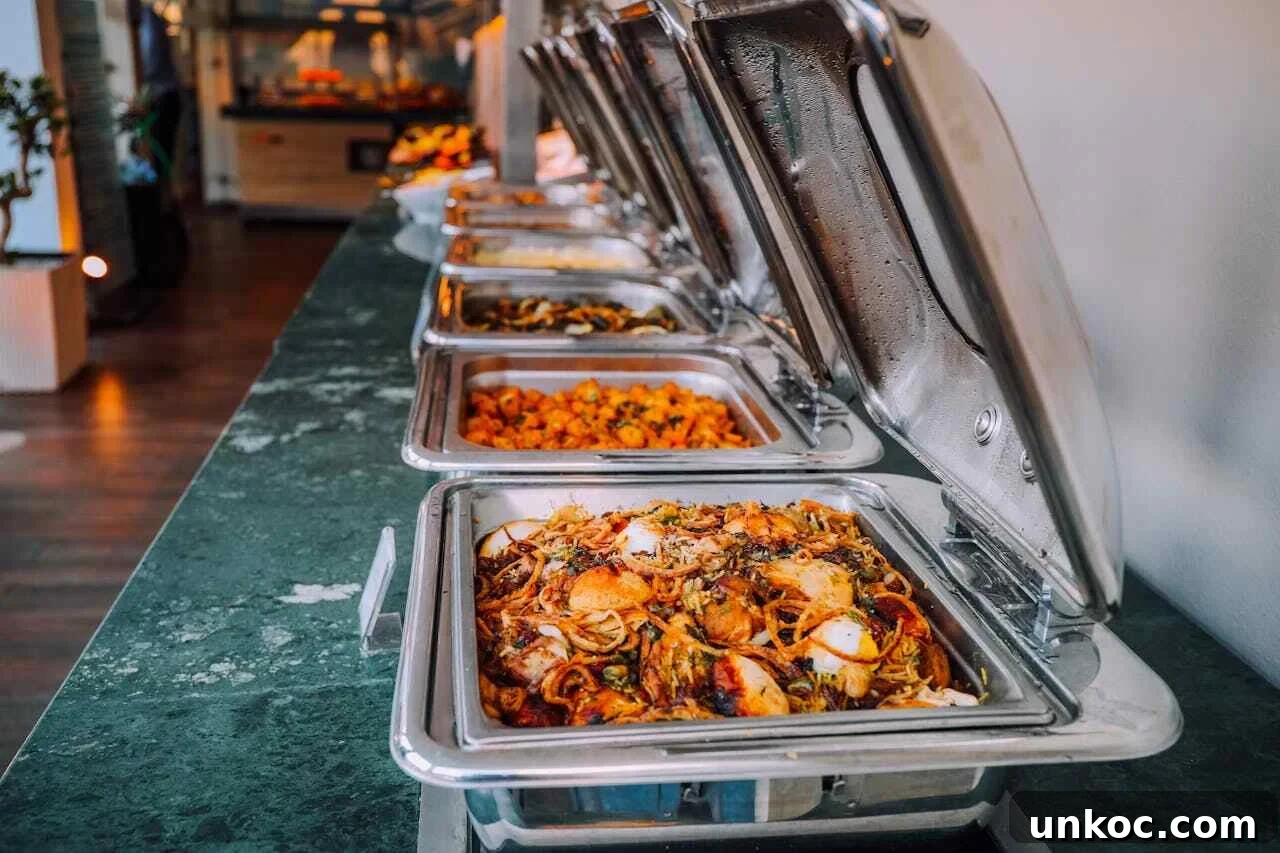
Changing Trends in the Future of Food and Beverage Industry in India
The food and beverage industry in India has changed in many ways. Some changes were introduced to recover from the impact of Covid-19, while others are the result of customer expectations and modern lifestyles. From improved hygiene to innovative menus and faster service, the industry is moving toward a more organised and customer-friendly future.
Here are some of the major trends shaping the future of the food and beverage industry in India:
- Healthy and vegan food: Health-conscious eating has become a major part of modern life. After Covid-19, many people started focusing on immunity, nutrition, and balanced diets. This trend continues today, with more customers choosing healthy meals, vegan dishes, fresh ingredients, and lighter food options.
- Plant-based meat: Plant-based meat, also known as vegetarian meat, is gaining attention in India. It offers an alternative for people who want the texture or experience of meat without using animal-based products. This trend is expected to grow as awareness of plant-based diets increases.
- Superfoods: Traditional Indian grains such as ragi, jowar, and bajra are now being recognised as superfoods. These ingredients have been part of Indian food culture for generations and are becoming popular again as people shift toward nutritious and wholesome diets.
- Use of olive oil: Olive oil was once mainly associated with gourmet cooking, but it is now used in many homes and professional kitchens. It is commonly seen as a healthier cooking oil option and is becoming part of everyday food preparation.
- Sustainable lifestyle: Customers are becoming more aware of sustainability. They prefer food businesses that reduce waste, avoid unnecessary plastic, and use eco-friendly packaging. Many brands are moving toward biodegradable packaging and responsible food service practices.
- Increasing demand for gourmet food: With rising income and exposure to global cuisines, Indian consumers are showing interest in gourmet food. Many customers now look for premium ingredients, unique flavours, and well-presented dishes when dining out or ordering food.
- Chef-driven restaurants: As customers become more particular about quality and experience, hotels and restaurants are focusing on skilled chefs. Chef-driven restaurants offer professionally designed menus, better presentation, and consistent food quality.
- Demand for packaged food: According to the article’s reference to a Nestle survey, the demand for packaged food is expected to increase in the coming years. Busy lifestyles have made ready-to-eat, easy-to-cook, and packaged food options more popular among working professionals, students, and families.
- Home delivery: Home delivery became extremely important during the Covid-19 period because customers wanted contactless and convenient food service. Although food delivery existed earlier, the pandemic gave it a major push. Online food delivery apps and restaurant delivery services have now become a regular part of urban life.
- Higher hygiene standards: After lockdowns, customers returned to restaurants with one main concern: safety. To regain trust, food businesses improved hygiene, sanitation, staff training, and kitchen cleanliness. Hygiene standards are now an important part of the customer experience.
Keeping hygiene in mind, the Food Safety and Standards Authority of India introduced a hygiene rating checklist with 48 points. Such measures reflect the increasing importance of food safety in the industry. These trends clearly show that the future of the food and beverage industry in India is bright, but success will depend on quality, innovation, safety, and customer satisfaction.
As the industry grows, it also requires trained and skilled professionals. New food concepts, modern kitchens, improved service standards, and advanced customer expectations have created demand for professional manpower. This is why certificate courses in Food and Beverage Production and Food and Beverage Service are becoming valuable for students and hospitality aspirants.
Courses Related to Food and Beverage Industry in India: These courses provide professional knowledge, practical training, and industry skills to help aspirants build careers in the food and beverage sector.
What You Will Learn in the Food and Beverage Course
The F&B industry is vast, and so is the learning involved. Students are trained in both technical and service-related areas so they can work confidently in hotels, restaurants, catering companies, and other hospitality businesses.
- Different cuisines: Food and beverage professionals must understand a variety of cuisines. Students learn about Indian, Continental, Chinese, Tandoor, Bakery, and other food categories based on customer demand.
- Presentation skills: Food presentation plays an important role in the dining experience. Since people often judge food by its appearance before tasting it, students are trained to plate and present dishes attractively.
- Serving skills: Serving food properly is an art. Students learn service methods, guest handling, and the correct way to serve different dishes and beverages.
- Cooking techniques: Different cuisines require different cooking methods. Students learn basic and advanced techniques needed to prepare specific dishes with the right taste, texture, and quality.
- Hygiene and sanitation: Food safety is essential in this industry. Students learn how to maintain kitchen cleanliness, personal hygiene, food storage standards, and sanitation practices.
- Outdoor catering: Outdoor catering involves planning, coordination, and serving a large number of guests. Students receive training in managing catering operations and meeting customer requirements.
- Customer care: Excellent food is not enough if customers are not satisfied with the service. Students learn how to communicate, solve problems, and create a positive guest experience.
- Table etiquette: Students are taught both theoretical and practical knowledge of table etiquette, especially for luxury hotels, fine dining restaurants, and professional food service environments.
- Time management: The food and beverage industry often requires handling multiple tasks at once. Time management helps professionals work efficiently during busy service hours.
- Knowledge of crockery: Students learn which food items should be served in specific types of crockery, glassware, and service equipment.
Duration of Food and Beverage Course: The course may be short-term or long-term, depending on the type of certificate F&B course selected by the student.
Eligibility for Food and Beverage Course: To become eligible for this course, candidates generally need to have completed 10th or 12th from a recognised board or institution.
Required Skills for Food and Beverage Course: The following skills are important for candidates who want to build a successful career in F&B production:
- Knowledge of how to protect food from contamination
- Understanding of how to improve the shelf life of food
- Ability to increase food quantity without affecting quality
- Skill to turn a simple dish into a delicious dish
- Ability to maintain the nutrient value of food
- Awareness of food item availability and kitchen requirements
After understanding the skills needed for Food and Beverage Production, it is also important to look at the skills required for Food and Beverage Service.
- Sense of responsibility
- Creativity
- Pleasant personality
- Politeness, discipline, confidence, and good listening skills
- Willingness to work flexible hours
- Customer-oriented approach
- Ability to adjust to different situations
- Dedication toward work
Who Can Do This Food and Beverage Course?
- A person who wants to learn specialised skills in food and beverage
- Someone who wants to start a hospitality business
- A person looking for a professional qualification in F&B
- Someone searching for a short-term course
- A hospitality professional who wants to upgrade skills
Job Opportunities in Food and Beverage Industry
The F&B industry offers many career opportunities. From preparing food and managing kitchens to serving guests with warmth and handling daily operations, there are many roles for trained professionals. Skilled candidates can work in different areas of hospitality and food service.
The following areas offer wide scope in this field:
- Hotels
- Restaurants
- Cruises
- Resorts
- Railways
- Airlines
- Catering companies
- Bars and pubs
- Casinos
- Food production organisations
The pandemic was a challenging period for the hospitality industry, but the sector has emerged stronger and more prepared. The food and beverage industry in India is growing rapidly, and this growth is expected to continue as customer preferences, technology, and service standards evolve.
Do you also want to be a part of India’s food and beverage industry?
The future of the food and beverage industry in India looks promising. The main challenge for businesses will be to meet customer expectations while following new trends, maintaining hygiene, and delivering quality service. As technology and innovation continue to influence the industry, advanced skills and professional training will become even more important.
For students and aspiring professionals, a certified Food and Beverage course can be a useful step toward building a career in this growing sector. NFCI, a hotel management and culinary institute, offers training through an industry-focused curriculum designed to support employment opportunities.
According to the article, more than 22,000 students have studied at NFCI and established themselves in the hospitality industry. If you want to become part of the future of the food and beverage industry in India, choosing the right training institute can help you develop the skills needed for this competitive field.